Get Full Government Meeting Transcripts, Videos, & Alerts Forever!
Get email alerts on the Wildlife Natural Resource Trust topic
No spam. Unsubscribe anytime.
Wyoming Wildlife and Natural Resource Trust marks 20 years, details fire-response funding and treatment urgency
Summary
The Wyoming Wildlife and Natural Resource Trust told the Select Natural Resource Funding Committee it has placed about $1 billion in conservation projects over 20 years and described rapid post-fire invasive-grass treatment steps, including contracts timed to a July price increase for the herbicide Rejuvra.
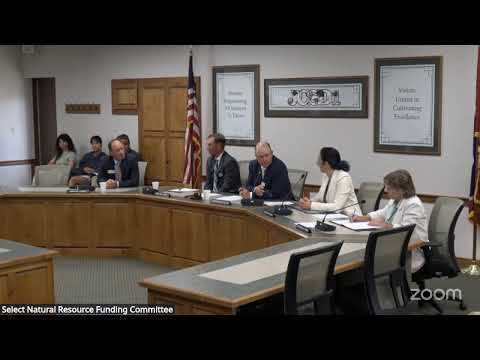
Bob Budd, executive director of the Wyoming Wildlife and Natural Resource Trust, told the Select Natural Resource Funding Committee on July 30 that the trust is marking its 20th anniversary and has placed about $1 billion worth of conservation work on the ground in Wyoming since it began.
The trust’s work leverages other funding, Budd said: the state’s roughly $150 million contribution has been matched at roughly five- to six-to-one by landowners, local conservation districts and federal partners. “In the last 20 years, we have now reached a point where we've placed a billion dollars worth of conservation on the ground in Wyoming,” Budd said.
Why it matters: Budd and board chairman Steve Meadows told the committee the trust now evaluates projects at a landscape scale rather than as isolated, single repairs. That larger scale matters for wildlife, grazing and tourism, and it changes how the trust prioritizes and manages work across counties.
Budd said the board is small but active: a nine-member citizen board and a two-person staff administer contracts and projects statewide. The trust received an unusually high number of grant applications this spring — 47 applications so far, with the potential for more later in the year — and is increasingly handling multi-county, landscape-scale proposals.
Fire response and invasive-grass treatment: The trust described steps taken after this year’s wildfires, including an expedited contracting process to buy the herbicide Rejuvra before a manufacturer price increase set to take effect on July 1. Budd credited grants manager Hillary Wasserburger and legal staff for fast work to get contracts executed; he said buying before the price change likely saved “probably a million and a half in Sheridan County, probably 2,000,000 plus in Johnson, the same in Campbell County.” He also said the manufacturer committed to a future rebate for product sold in Wyoming, though the final rebate amount was “not specified.”
Walker Billings, Sheridan County Weed and Pest supervisor, explained why follow-up treatments are essential: “A cheatgrass plant can produce a 100 or 200 seeds on its own, and then you get a really quick logistic growth,” Billings said, adding that the herbicide’s residual effect lasts about three to five years and untreated seed banks can cause rapid reinfestation unless follow-up work occurs.
Budd described the trust’s prioritization method for post-fire treatment as a triage of red, yellow and green — red parcels need immediate treatment, yellow can wait a year, and green areas have recovered. He said initial estimates for comprehensive treatment and restoration after the large fires approached tens of millions of dollars; the trust requested larger supplemental funding earlier in the year but has so far received smaller, targeted appropriations and has allocated roughly $49.5 million for fire-related work, with over $33 million already committed for invasive-species treatment.
Board and statewide cooperation: Budd and Meadows emphasized the trust’s cross-sector partnerships — landowners, sportsmen, conservation groups, county and state governments and federal agencies — and credited the board’s citizen reviewers with technical and budget scrutiny. Meadows said other states consult Wyoming’s model and that the trust’s approach has enabled projects such as stream restoration and cottonwood recovery to be replicated elsewhere.
What’s next: Budd said surveillance and prioritization work continues and treatments will start in the next 30 to 60 days. He urged continued attention to follow-up funding so initial investments are not lost to reinfestation. The committee did not take a formal vote on trust-specific appropriations at the July 30 meeting.