Get Full Government Meeting Transcripts, Videos, & Alerts Forever!
Get email alerts on the Attendance topic
No spam. Unsubscribe anytime.
Chronic absenteeism improves to 21.8%; district attendance rate reaches 92.6%
Summary
Wicomico County Public Schools reported a decrease in chronic absenteeism to 21.8% from 25.1% the prior year and an average daily attendance rate of 92.6%; staff outlined next steps to continue outreach and attendance team supports.
District staff presented year‑end attendance results showing modest improvement and outlined next steps to continue reducing chronic absenteeism.
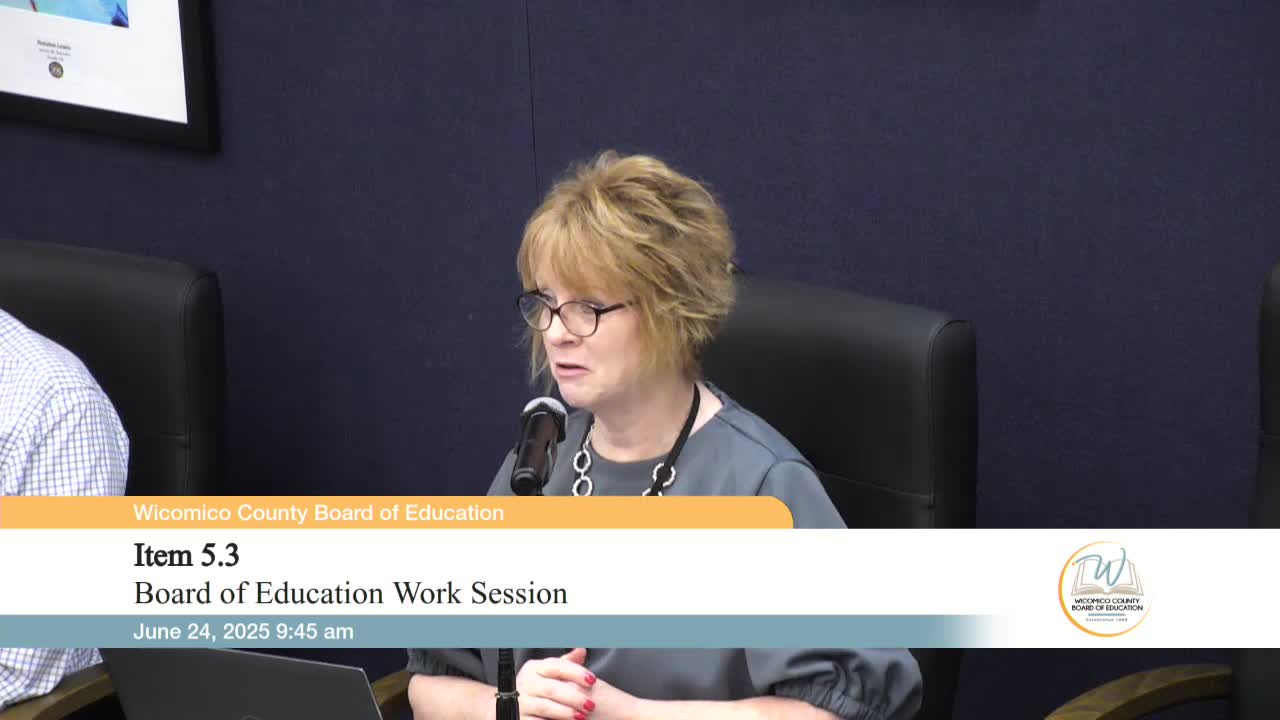
Kayla Zabarski, transitioning to director of school climate and safety, reported the district’s preliminary chronic absenteeism rate for the school year at 21.8%, down 3.3 percentage points from the prior year’s 25.1%. She said eight elementary schools met the state target (15%) and that middle and high schools continue to show higher chronic absenteeism rates.
Zabarski said the district’s average daily attendance (ADA) rate at year end was 92.6%; she noted Maryland’s proficiency standard is 94% and an advanced standard of 96%. “We are at 92.6 at the end of the year,” Zabarski said, adding that 14 schools met the state attendance proficient standard.
Board members asked for additional breakdowns separating excused and unexcused absences. Zabarski said she can provide data that distinguishes students classified as truant (unexcused) from those who are chronically absent (which can include excused absences) and that the district will continue targeted outreach, school attendance teams and recognition campaigns such as “Arrive to Thrive.”
Staff outlined next steps: continue to strengthen school attendance teams (including community school coordinators, home‑school liaisons and attendance clerks), analyze root causes by school and maintain annual review and recognition of improvements. Board members asked for follow‑up reports with more granular data on excused vs. unexcused absences and on interventions that appeared effective.