Get Full Government Meeting Transcripts, Videos, & Alerts Forever!
Get email alerts on the Government Operations:special Projects topic
No spam. Unsubscribe anytime.
Teton County launches special projects process; first project to test new wayfinding and signage at Administration Building
Summary
The county created a formal 'special projects' process to capture cross‑departmental improvements; the first approved project tests consistent wayfinding signage in the Administration Building to reduce customer wait time and improve staff workflow.
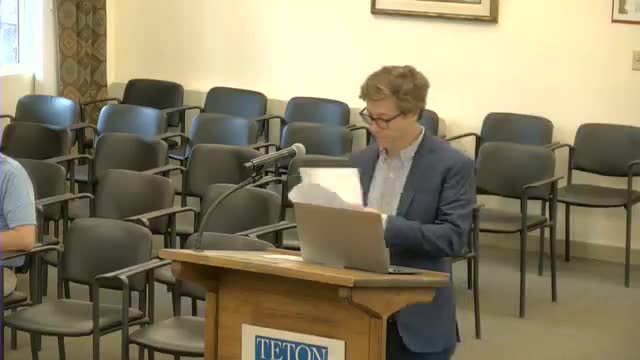
Cal Bracken, innovation and engagement manager for Teton County, presented a new special projects process and a featured first project to the Board of County Commissioners on July 21. Special projects are intended to capture improvements that fall between departmental work plans and to provide an accountable framework for submission, approval, implementation and completion.
The initial approved project will prototype consistent wayfinding signage and customer information at the Administration Building to reduce visual clutter, shorten average wait times and help customers arrive prepared for specific services. Bracken said the project will start with low‑cost prototypes and customer surveys at point of service before committing to permanent signage. He said each special project will be reviewed by three evaluators—the special project manager, the county administrator and a selected director (currently Justin Kaiser, HR director)—and the county plans to manage about three active special projects at a time.
County Administrator Jody Pond said some projects will remain in discovery for months and high‑cost items would be considered during the next budget cycle. Commissioners praised the approach as a way to address recurring, cross‑cutting problems and improve passive communications with the public. No formal vote was required; staff will continue developing the program and report back with periodic updates.