Get Full Government Meeting Transcripts, Videos, & Alerts Forever!
Get email alerts on the Solid Waste Transfer Station topic
No spam. Unsubscribe anytime.
Valley County commissioners press for fixes at transfer station after leachate, staffing and construction-waste surge
Summary
Commissioners and county facilities staff discussed routine leachate dumping outside the transfer building, a hauling shortfall that is overloading the site, and rising construction‑waste volumes; they scheduled a site visit and a follow-up meeting with the contractor to identify immediate fixes and budget implications.
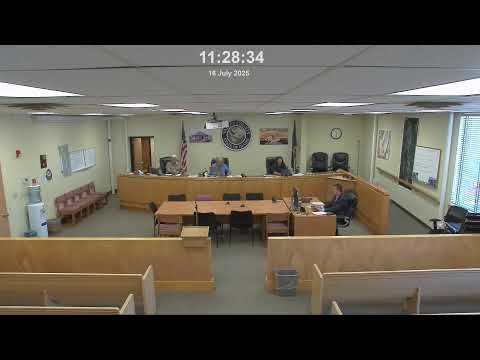
Valley County commissioners on July 16 were told the county transfer station is struggling to keep pace with rising volumes and operational problems that are increasing costs and creating health and maintenance concerns.
County buildings and grounds staff reported that haulers have been dumping leachate outside the transfer building rather than inside the covered area and that the contractor lacks enough drivers and trucks to make enough daily runs to keep the site manageable. "They just dump it there. Yeah. Which is not okay," a county facilities official said, adding that the contractor needs more trucks and drivers to meet a target of six to eight loads a day to avoid overflow.
The commissioners were also told the site has seen an unusual surge in construction and demolition (C&D) material this year, which has strained space and hauling capacity. Staff said some loads are very large — trailers full of brush and construction debris — and that the current fee for construction waste (reported in the meeting as $150) is not deterring large commercial or contractor loads. "They're not even batting an eye at it," a county official said of haulers bringing construction waste.
Why it matters: the transfer station is a county service funded in part by fees and property tax charges tied to solid-waste operations. Increased hauling, additional long‑haul tipping fees, and the need for more staffing or contractor capacity will raise the county's operating costs and may require budget adjustments or fee changes.
What the board directed and next steps - Commissioners asked for a public site visit; staff proposed adding a site visit at 3:00 p.m. at the end of a future work session so the board and interested residents can inspect conditions. - Staff scheduled a follow-up meeting with the contractor and district managers (noted as "Terry" and "Travis" in the meeting) to discuss operational fixes, including increasing daily truck runs to six or eight loads. - Commissioners and staff discussed conducting another rate study and collecting year‑over‑year data on tonnages and load types before proposing fee changes. Staff said they will produce data showing residential versus construction waste tonnages and haulage costs.
Context and constraints - Staff cautioned that the county cannot lawfully charge more than actual costs to process waste; any fee increases would require documentation that shows the county's true per‑ton cost for different waste types. - Staff said site improvements and higher hauling capacity will increase expenditures, and that some of the county's revenue increases stem from new houses paying the solid-waste fee through property taxes.
Clarifying details captured from the meeting - Operational target: staff said the contractor may need to make 6–8 loads per day ("I think 8 is what they need to do") to keep up. - Current construction-waste fee mentioned in discussion: $150 (reported as the existing rate for some C&D loads). - Evidence of a surge: staff reported moving from a couple of house demolitions per year to multiple per week in recent months.
Ending: Commissioners asked staff to return with concrete data (tonnages, load types, cost per ton) and to report back after the scheduled meeting with the contractor so the board can consider budget or rate adjustments.