Sobriety court graduate urges commissioners not to cut Eaton County treatment courts
Loading...
Summary
A sobriety court graduate told the Eaton County Board that the county's treatment court program saved his life and warned that cutting funding would increase costs elsewhere and cost lives.
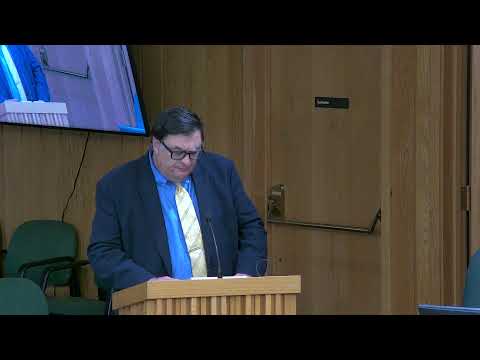
Kevin Tu, a graduate of Eaton County’s sobriety court program, urged the Board of Commissioners during limited public comment to maintain funding for treatment courts and described how the program helped his recovery.
“I graduated from the program successfully on 02/02/2022,” Tu told commissioners, describing a history of substance use, repeated DUIs and a serious accident that led him to residential treatment. He said the county’s sobriety court gave him structure, therapy and accountability that traditional treatment had denied him.
Tu told the board he now holds multiple credentials in addiction recovery, works at a local recovery provider and serves on related advisory groups. He said sobriety courts “work. They reduce recidivism, restore families, and help individuals build sustainable lives in recovery.”
Tu urged commissioners not to cut funding for Eaton County’s treatment courts: “Cutting funding to the Eaton County treatment courts would not only increase costs elsewhere such as jails, hospitals, and emergency services. More than that, it would rob people of hope, families of reunification, communities of redemption stories, and it will cost people their lives.”
Why it matters: Public testimony described treatment courts as part of the county’s continuum of care and argued they produce community and fiscal benefits by reducing criminal recidivism and use of emergency services. Commissioners thanked Tu for sharing his experience; no board action on treatment-court funding was taken during the meeting.
Direct quote: “Recovery is possible, and programs like the Eaton County Sobriety Courts make it accessible,” Tu said.