Get Full Government Meeting Transcripts, Videos, & Alerts Forever!
Get email alerts on the Camp Road Middle School Traffic topic
No spam. Unsubscribe anytime.
School officials and parents discuss Camp Road Middle car line as Central Park closure adds pressure
Summary
Charleston County School District staff and local parents discussed persistent car-line backups at Camp Road Middle School, possible short-term mitigations and longer-term infrastructure limits ahead of the August start of school.
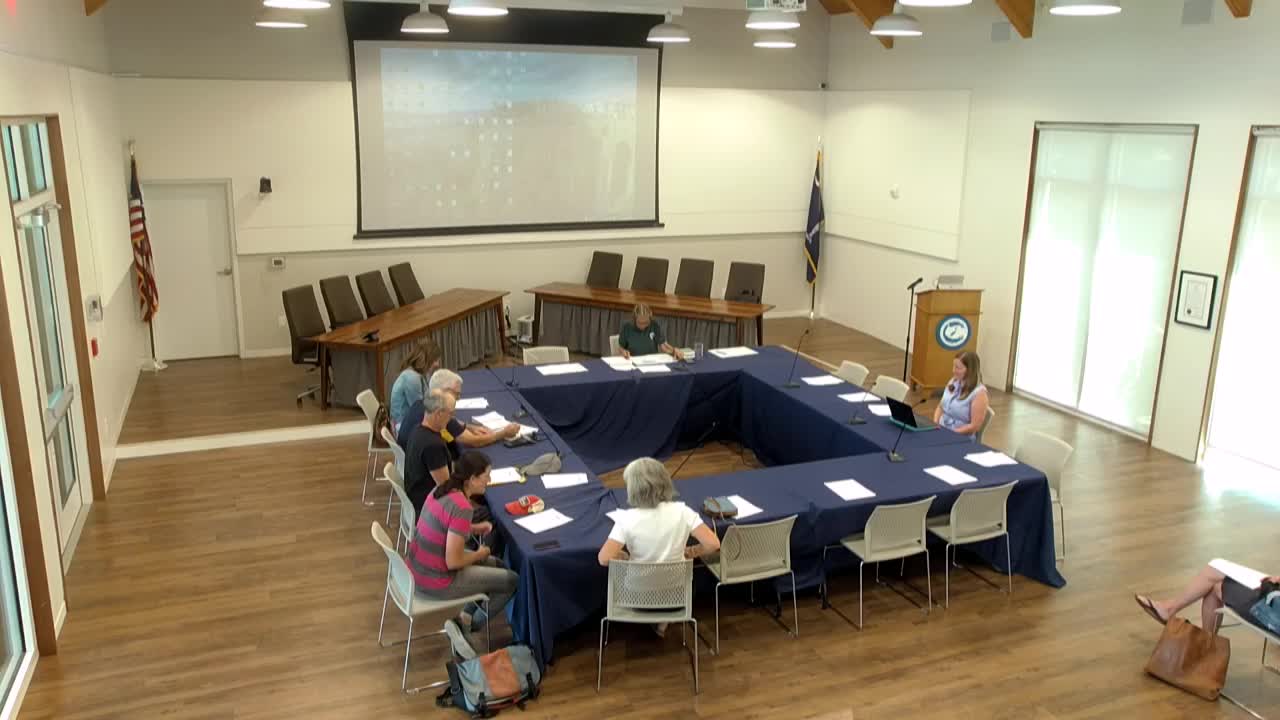
School district staff and James Island parents pressed the Charleston County School District on July 15 for quicker work on car-line solutions at Camp Road Middle School, saying the upcoming school year and a nearby road closure make delays more likely.
Michael Reidenbach, executive director of security and emergency management for the Charleston County School District, told the committee the district has studied car-stacking and worked with law enforcement to observe peak periods. “For a school the size of Camp Road Middle, which had 900 students, [SCDOT] guidelines recommend a car stacking length of between 1,500 and 2,000 feet,” Reidenbach said, adding that the campus and adjacent turn lanes provide roughly 3,200 feet of stacking space. He said the school still experiences significant afternoon backups, particularly early in the year: “In August, it's pretty rough.”
Why it matters: the district described a mix of operational fixes and structural constraints. Reidenbach said the school opened interior doors earlier and improved loading efficiency to reduce morning stacking; afternoons remain the larger challenge. Parents and committee members urged the district to prioritize stacking changes, staggered dismissals or supervised use of available rear-campus space to reduce queuing onto Folly Road.
Parents proposed a range of short- and medium-term options, including staggered dismissal groups, assigning dismissal “flights” or using a nearby parking lot or church as a remote pick-up point for a subset of families. Reidenbach said each option carries trade-offs: siblings and carpools cross grade lines, and enforcing narrow arrival windows is administratively difficult. “We would love to find a way to implement [staggered dismissals],” Reidenbach said, but added the district had not found a comparable neighborhood school in the state that successfully staggered dismissals at scale.
The district also flagged that capital improvements—reconfiguring car stacks or adding pavement—require stormwater study, permitting and state traffic approvals and are therefore longer-term projects. Reidenbach said new principal Principal Sayer has already made campus traffic a priority and the district will continue brainstorming operational mitigations before the start of school.
Next steps: the district agreed to continue evaluating operational changes and to meet with parent volunteers after the meeting. Committee members said they will raise the issue with the incoming principal at an intergovernmental meeting on July 30.
Ending: No formal action was taken; parents asked the district to prioritize solutions over the next 30 days given the expected August peak.