Get Full Government Meeting Transcripts, Videos, & Alerts Forever!
Get email alerts on the Federal Education Funding topic
No spam. Unsubscribe anytime.
Rapid City schools warn pause in federal Title grants could stretch district budget and after-school programs
Summary
Superintendent Dr. Thompson told the Rapid City Area Schools board that the U.S. Department of Education paused announcements for multiple Title grants, putting about $2 million in recurring district-funded positions and after‑school programs at risk; administrators plan contingency measures and meetings with federal lawmakers.
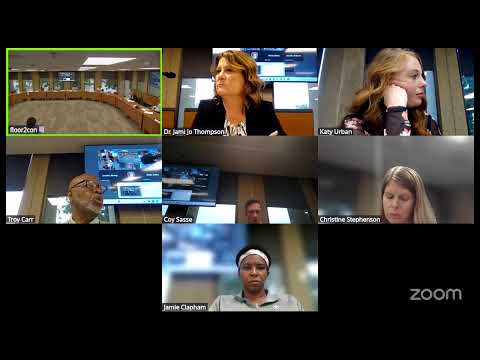
Rapid City Area School District 51-4 Superintendent Dr. Thompson told the board at its regular July meeting that the U.S. Department of Education had paused announcement of several federal Title allocations, and the pause could affect staffing and after‑school programming across the district.
Dr. Thompson said the paused allocations include Title I, Part C (migrant education), Title II‑A (supporting effective instruction), Title III (English language acquisition), Title IV‑A (student support and academic enrichment) and 21st Century Community Learning Centers (after‑school grant funding). “If title 2a and title 4, part a are not funded, it will have a significant impact on our budget and on programming moving forward,” she said.
Why it matters: The district currently counts on those categorical funds when budgeting for the school year. Dr. Thompson told the board the district typically receives about $1.2 million annually from Title II‑A—about half of which pays staff in the teaching, learning and innovation department—and about $750,000 annually from Title IV‑A, with roughly 60% of that funding supporting staff positions. Many of the professional service contracts and staff positions supported by those funds were already contracted for the coming year.
Administrators described immediate steps and contingencies. The district will not sign any additional professional contracts until the Department releases allocations and is meeting with federal representatives later in the week to press for release of funds. “We are meeting with our federal representatives later this week to discuss the impact that losing this fund would have,” Dr. Thompson said. The board’s chief financial officer (mister Sassy) and administrative team said they were examining budget adjustments but emphasized that many costs are already contracted. “We’re taking the approach that we should have business as usual when it comes to our staffing until we find out that that’s not the case,” Dr. Thompson said.
After‑school programs and 21st CCLC funding: Assistant administrator Doctor Strong (title not specified in the record) explained that Rapid City’s 21st Century funding is currently administered as a flow‑through by Black Hills Special Services, which hires and manages program staff and materials while the district provides space and busing. She warned that if the district or a local partner were to create a non‑grant after‑school program now, it could jeopardize future eligibility for 21st CCLC funds: “If we supplement or even supplant that after school program with a different after school program that is not grant funded, then that will take us out of the qualification,” she said.
The board and administrators also noted some partial good news: the district recently received its McKinney‑Vento allocation in full. Board members asked about other partners that typically provide after‑school care; administrators said Black Hills Special Services, Compass and the YMCA have received or managed such funds in the past and that the district is exploring partnerships with the Y, Boys & Girls Clubs and Love INC as contingencies.
Board reaction and next steps: Board members asked for clarity about which specific positions were at risk; administrators said the largest share funded by Title II‑A are instructional and behavioral coaches who provide professional development, curriculum work and direct classroom support. Doctor Strong said Title IV does not fund counselors or social workers in the district and that those positions are not currently in jeopardy. The district plans further internal meetings to flesh out contingency plans and expects to provide updated information to principals and families in late July or August if allocations remain uncertain.
Authorities and legal references mentioned during the discussion are federal programs and statutes: Title I, Title II‑A, Title III, Title IV‑A, 21st Century Community Learning Centers (21st CCLC), the Elementary and Secondary Education Act (ESEA), the Individuals with Disabilities Education Act (IDEA), and McKinney‑Vento. Administrators said some of the Title programs are formula grants historically paid annually to districts and that the lack of a funding announcement at the start of the fiscal year complicates cash‑flow and contract commitments.
Ending: District leaders told the board they will continue contingency planning and advocacy with federal representatives and aim to provide clearer guidance to families and program partners as soon as allocations are confirmed.