Get Full Government Meeting Transcripts, Videos, & Alerts Forever!
Get email alerts on the Acceptable Use Policy topic
No spam. Unsubscribe anytime.
Proposed acceptable‑use policy for elected officials draws First Amendment and privacy concerns; legal review requested
Summary
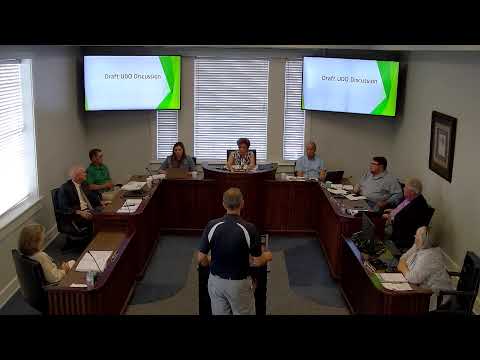
Councilmembers engaged in an extended discussion July 14 over a proposed acceptable‑use policy for elected officials (Resolution 20 25 12) that would regulate use of city information systems, social media references to the city and document retention.
Councilmembers engaged in an extended discussion July 14 over a proposed acceptable‑use policy for elected officials (listed in the meeting materials as Resolution 20 25 12). The draft policy would govern elected officials’ use of city information systems and file directories and includes provisions addressing record retention, use of city trademarks, posting photographs, linking to city websites and statements about the city on social media.
Jordan, who worked with the city attorney on the drafts, said the policies were developed over the past year and are similar to templates used by other municipalities and recommended by federal and state guidance. Jordan said the policies are intended to protect the city, elected officials and the public, and to ensure FOIA compliance and protection of confidential information.
Multiple councilmembers expressed substantive objections. One councilmember argued the draft went beyond regulating official use of city property and into compelled speech by restricting how elected officials reference the City of Easley in private correspondence and on personal social media accounts. The same councilmember said constituents had expressed fear of retaliation and raised citizen privacy concerns, asking how FOIA and redaction protections would work for constituent communications. City staff responded that FOIA has exemptions for certain personal contact information and that emails on official city accounts are subject to retention rules.
Other points discussed included the policy’s prohibition on elected officials posting photographs of other elected officials, employees or citizens without written consent; restrictions on using city trademarks or linking from personal blogs to city websites; and ambiguous enforcement language about content “detrimental to the mission and function of city government.” Jordan and staff said the policy is intended as guardrails rather than a First Amendment prohibition, but several councilmembers said the language was overly broad and could chill legitimate communication with constituents.
City attorney offered to provide legal advice but asked that such advice be delivered in executive session rather than open council discussion. Several council members requested more time to study the draft. Council voted to add an executive session to the agenda to receive legal advice regarding Resolution 20 25 12 and term limits (vote was seconded and approved by voice vote; no roll-call recorded in the transcript excerpt).
Operational details and concerns raised
- Scope: The draft applies to elected officials’ use of city information systems and directories and contains provisions on record retention, social media references to the city, trademarks, linking, photography and prohibited content. - FOIA and privacy: Staff said FOIA retention requirements apply to official emails and that FOIA includes exemptions permitting redaction of some contact information; councilmembers questioned whether the draft policy’s sweep would permit staff review of private constituent communications absent FOIA requests. - Enforcement and complaints: The draft includes language about avoiding communications “detrimental to the mission and function of the city government”; councilmembers asked who would decide whether a communication is detrimental and how complaints would be handled. - Compelled speech concerns: Councilmembers raised constitutional concerns about requiring elected officials to use particular disclaimers or refrain from referencing the city on personal platforms.
Next steps
Council approved a motion by voice to add an executive session to receive legal advice about the acceptable‑use policy (Resolution 20 25 12) and related legal questions; the city attorney offered to present his legal opinion in executive session. Several councilmembers also requested additional time to review and suggested specific edits be provided to staff for revision.