Get Full Government Meeting Transcripts, Videos, & Alerts Forever!
Leesburg Planning Commission debates parking in-lieu, development standards in zoning rewrite work session
Summary
Chair Robinson called the July 10 Leesburg Planning Commission work session to order and the meeting turned quickly to Article 4 of the town's zoning rewrite, development standards that cover parking, landscaping, lighting, noise and related site design rules.
Chair Robinson called the July 10 Leesburg Planning Commission work session to order and the meeting turned quickly to Article 4 of the town's zoning rewrite, development standards that cover parking, landscaping, lighting, noise and related site design rules.
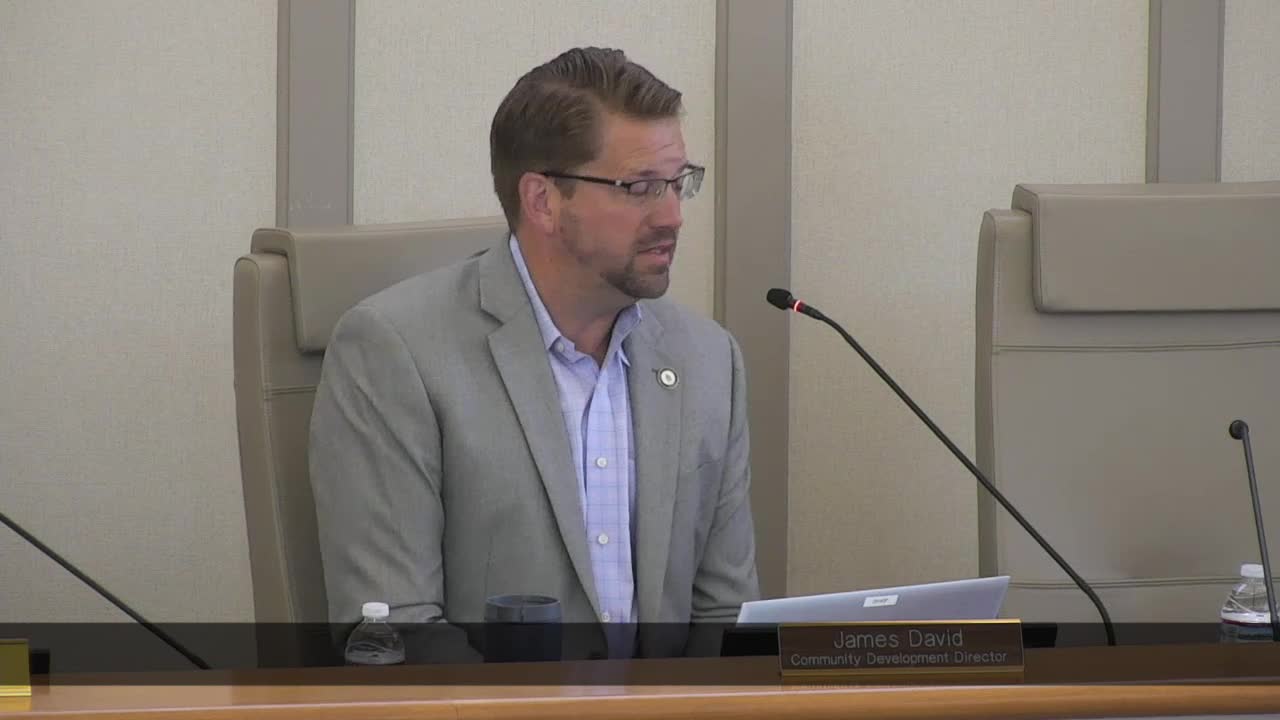
The session centered on parking policy and how the draft ordinance treats payment in lieu of on‑site parking in the H1 (downtown) overlay district. Director David, director of the Department of Community Development, and staff planners Mike Watkins and Brian Boucher briefed the commission on the draft language and on background material the commission requested.
Why this matters: Article 4 sets the technical rules developers must meet and explicitly affects how downtown infill and multifamily projects will be built. Commissioners said the parking provisions could materially shape whether small downtown lots redevelop, how many new housing units include on‑site parking, and whether the town can realistically invest in new structured parking.
The debate focused on three linked questions: should the town keep (or tighten) a payment‑in‑lieu option that allows some downtown projects to avoid providing required on‑site parking; what minimum parking ratios (especially for multifamily housing) are appropriate; and how the town should use any money collected.
Payment in lieu and the H1 exceptions
Staff described the existing payment‑in‑lieu rule as limited to parts of the H1 overlay. Brian Boucher said the option is currently codified for projects within 500 feet of a public parking facility and that the ordinance contains limited residential exceptions (lots of 4,000 square feet or less and certain small multifamily projects). Boucher said the exception's intent historically has been to encourage reinvestment in small…
Already have an account? Log in
Subscribe to keep reading
Unlock the rest of this article — and every article on Citizen Portal.
- Unlimited articles
- AI-powered breakdowns of topics, speakers, decisions, and budgets
- Instant alerts when your location has a new meeting
- Follow topics and more locations
- 1,000 AI Insights / month, plus AI Chat