Get Full Government Meeting Transcripts, Videos, & Alerts Forever!
Get email alerts on the Aquatic Weed Removal topic
No spam. Unsubscribe anytime.
Lakeville commission approves eco-harvester weed removal, accepts $35,000 donation
Summary
The Assawamset Pond Commission voted unanimously July 9 to run an eco‑harvester aquatic weed removal from William Street upstream and to accept a $35,000 private donation to pay the contractor; commissioners also discussed longer-term sediment removal and grant options.
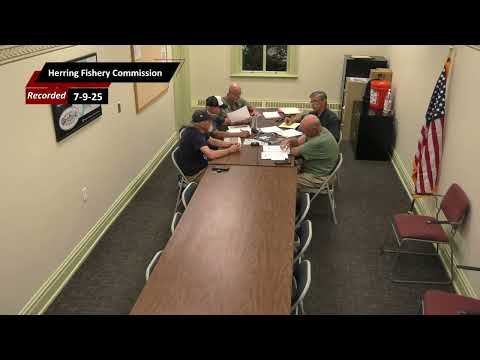
The Assawamset Pond Commission in the Town of Lakeville voted unanimously on July 9 to authorize a new eco‑harvester aquatic weed‑removal project beginning at William Street and to accept a $35,000 private donation to pay the contractor.
Commissioners said they will aim to operate the eco‑harvester from William Street upstream, expand the cleared reach beyond last year’s work, and use the donated funds to pay the daily rate for the contractor. The donation was offered through a contact at The Nature Conservancy, the commission reported.
The vote follows discussion about previous seasons’ work, access and permitting, and larger unresolved problems in the river system. Commission members said last year’s $35,000 funded five days of work; the group agreed the same donor amount would again cover contractor costs for a limited number of days. Commissioners emphasized this is a continuing, maintenance‑style approach rather than permanent sediment removal.
Commissioners discussed multiple constraints and next steps. They identified easement and access issues near the William Street/DPW site, and asked staff or members to coordinate with the town Department of Public Works on whether existing sewer‑line easements or other town property could provide a launch or ramp for the eco‑harvester. The commission also agreed to contact The Nature Conservancy donor liaison and local conservation commission members to begin scheduling and permit amendments.
The meeting included broader discussion of river sedimentation and channel restoration work. The commission reported estimates of $3 million to $4 million to remove large quantities of sediment, noted that some grant programs cap awards at about $50,000, and said removal could be substantially less costly if local gravel or aggregate companies can take dredged material for resale. Members said they have previously completed studies and sampling and plan to pursue grants, including an exploration of the Massachusetts Environmental Trust grant process.
Commissioners noted endangered‑species reviews and state permitting will be required to expand the eco‑harvester work beyond previously permitted areas; they also mentioned the Department of Conservation and Recreation had used short‑lived herbicides in moving rivers in other projects, but the commission did not adopt any chemical treatment at the meeting.
Votes at a glance: - Approve eco‑harvester weed removal project (William Street upstream) — approved unanimously (7–0). The commission set the project area to begin at William Street and requested the contractor and permit work proceed with outreach to town departments for launch access and easement issues. - Accept $35,000 private donation routed through The Nature Conservancy to pay contractor daily rates — approved unanimously (7–0). - Request that Middleborough and the Town of Lakeville carry over two dedicated herring/river accounts into the new fiscal year — approved unanimously (7–0). - Accept minutes of the May 14, 2025 meeting — approved unanimously (7–0).
What was decided and what remains open: The commission directed staff and members to contact The Nature Conservancy donor, coordinate with the town DPW about access and easements, and begin permit‑amendment work for an expanded eco‑harvester reach. Commissioners did not approve a large sediment‑removal contract at this meeting; they instructed members to continue seeking grants and local partners to reduce costs and to follow up with the town and state agencies on permitting and endangered‑species reviews.
The commission said it will return to scheduling and permit details at a future meeting once the donor paperwork and town access arrangements are in place.