Get Full Government Meeting Transcripts, Videos, & Alerts Forever!
Get email alerts on the Local Economic Development Fashion topic
No spam. Unsubscribe anytime.
Columbus Fashion Alliance to open 43,000‑square‑foot “Loom”; Franklin County has invested millions to grow local fashion economy
Summary
The Columbus Fashion Alliance says it will open the Loom, a 43,000‑square‑foot fashion innovation center near CCAD that will include a microfactory, retail lab and workforce programs. Franklin County Commissioner Erica Crowley said the county has invested more than $5 million in the local fashion ecosystem, including $4.4 million in the alliance.
The Columbus Fashion Alliance plans to open the Loom, a 43,000‑square‑foot fashion innovation center in downtown Columbus that the nonprofit says will include offices, a microfactory, an innovation lab and a retail lab for testing models and training designers.
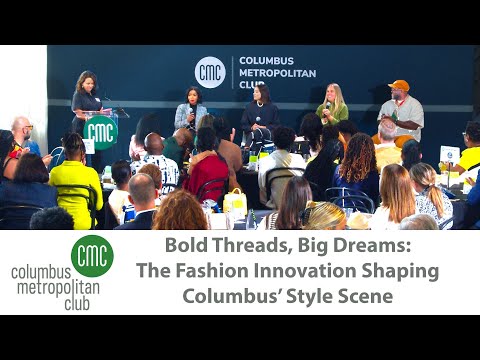
The announcement came at a Columbus Metropolitan Club forum where Johanna “Yogi” Terrell, executive director and founder of the Columbus Fashion Alliance, described the Loom as a physical hub for designers, students and emerging brands. “We are purchasing the building from Columbus College of Art and Design. So we're literally gonna be in a creative campus,” Terrell said. She added that the center will be “a 43,000 square foot fashion innovation center” with space for offices, a microfactory and an innovation lab.
Franklin County Commissioner Erica Crowley, president of the Franklin County Board of Commissioners, described public investment behind the effort. “In the past 3 years, the county has invested more than $5,000,000 into fashion,” Crowley said. “But for [the Columbus Fashion Alliance] alone, just for Yogi and his dreams and building our community ... we have invested 4,400,000 in the alliance.”
Why it matters: panelists and county officials framed the Loom as an economic‑development and workforce initiative that could keep designers and fashion jobs in Central Ohio while expanding manufacturing, retail and creative‑sector employment. Terrell said the Alliance’s programs include a summer internship called Future of Fashion and a Ready to Work program that connects entrants to retail and design jobs.
Panelists outlined gaps the Loom aims to fill. Madison Helson and Valentina Thompson, cofounders of local apparel brand Scenic, described early‑stage funding and prototyping as the biggest hurdles for start‑ups. “The hardest thing once you have your first idea and your business plan written is getting funding,” Helson said, noting many investors expect brands to already have $5 million or more in revenue. Thompson said prototyping resources are scarce: “It is really hard to build a prototype that you would die on a sword for ... it would be amazing if there were resources in Columbus to actually prototype here locally.”
Speakers emphasized workforce and infrastructure needs. Terrell cited public and private partners already engaged with the Alliance, including county offices, a lender named IFF and Rev1 Ventures, and said the Loom will sit across the street from Columbus College of Art and Design and Columbus State, creating a pipeline from students to industry. “We have the talent here,” Terrell said, noting research the Alliance has commissioned with outside firms that found Columbus already hosts significant fashion industry activity.
Panelists also discussed sustainability and circular‑economy opportunities. Terrell said the city’s textile waste can be an economic opportunity: “We look at that as an opportunity and so we see Columbus being ... a beacon for a circular system.” Panelists suggested repair centers, recycling plants and local fabric sourcing as possible projects the Loom or partners could help incubate.
What remains unclear or not specified: the transcript indicates the Alliance was finalizing the building purchase “within days” but does not list a purchase price or closing date. Exact timelines and budgets for renovating the Loom, the building’s street address, the number of jobs expected and the details of any county funding agreements were not specified during the forum.
Panelists urged more private investors, mentors and incubator capacity — including a proposed fashion venture fund — to help brands scale. Commissioner Crowley and others said the county will work to expand startup resources beyond technology into fashion, noting county investments are already in place to support those efforts.
The forum included questions from community members and sector leaders about sustainability, cross‑sector collaboration with film and the role of seasoned designers as mentors. Terrell said the Loom will be part of a broader district strategy and called the project a first step toward a longer‑term vision that could include a fashion museum and other physical assets to tell the region’s fashion story.
The meeting did not record any formal votes or ordinance actions tied to the Loom; the investments Crowley cited were presented as already made by the county.