Get AI Briefings, Transcripts & Alerts on Local & National Government Meetings — Forever.
Kansas rolls out Kansas Math Project: free, state‑owned PD and online modules for K–12 math
Loading...
Summary
Kansas State Department of Education staff and the Kansas MTSS math team detailed the Kansas Math Project (KMP), a state‑owned professional development program developed to align instruction with Kansas math standards from pre‑K through Algebra II.
Kansas State Department of Education staff and the Kansas MTSS math team detailed the Kansas Math Project (KMP), a state‑owned professional development program developed to align instruction with Kansas math standards from pre‑K through Algebra II.
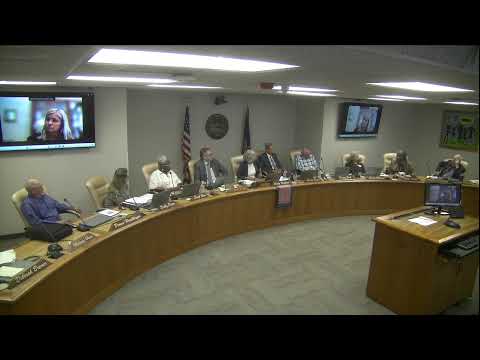
Todd Wiedemann, director of the Kansas MTSS Alignment Project, told the State Board the project was started in 2021 at the commissioner’s request and was built in‑state so Kansas could control updates and alignment to state standards. He said KMP was developed with national researchers and Kansas educators, piloted across districts, and refined with feedback from more than 230 Kansas math teachers and eight pilot districts.
KMP structure and reach: The program includes five foundation modules (A–E) and 47 grade‑band modules offered synchronously in person and asynchronously via Moodle. As of July 6, presenters said there were 1,679 participants enrolled and 1,739 module completion certificates awarded; some districts (for example, Dodge City USD 443) have made parts of KMP required for elementary, special education and secondary math teachers. Wiedemann said the initial implementation budget was $1,260,000 over two years; the team reported being under budget and asked to encumber remaining funds to finish buildout.
Evidence base and instructional approach: KMP presenters said they relied on systematic reviews and What Works Clearinghouse evidence (randomized control trials, meta‑analyses) for instructional strategies. Presenters described a “construct‑plan‑lead‑practice‑apply” instructional model and five foundation modules (non‑negotiables/beliefs, standards progressions, explicit instruction, data‑driven instruction/intervention, and iterative grade‑band application).
Teacher feedback and supports: Carrie Reese and other math specialists described hands‑on activities, vocabulary supports, fluency and problem‑solving modules, and materials intended to support vertical conversations (pre‑K to grade 12) within districts. The team said videos, printable cards, module summaries and activities are available in Moodle for “just‑in‑time” teacher access. They also announced a partnership with Newman University to offer up to seven hours of college credit for completing KMP module sequences through an accredited pathway.
Barriers and next steps: Presenters listed common implementation barriers: substitute teacher shortages that limit in‑person participation, overlaps with other intensive PD (for example LETRS), need for broader marketing and district facilitator training. The team said they are developing a district facilitator training and administrator walkthrough tools. The presenters invited board members and educators to attend sessions and emphasized KMP is free to Kansas teachers.
Ending: Board members praised the program’s scale and evidence base and asked staff to expand outreach and pre‑service teacher pathways to embed KMP in teacher preparation.