Get Full Government Meeting Transcripts, Videos, & Alerts Forever!
Get email alerts on the Somalia Humanitarian topic
No spam. Unsubscribe anytime.
U.N. warns funding cuts are deepening hunger and health impacts in Somalia
Summary
U.N. humanitarian officials said funding cuts have reduced food assistance by more than half in parts of Somalia, imperiling nutrition programs and forcing clinics and outreach teams to close.
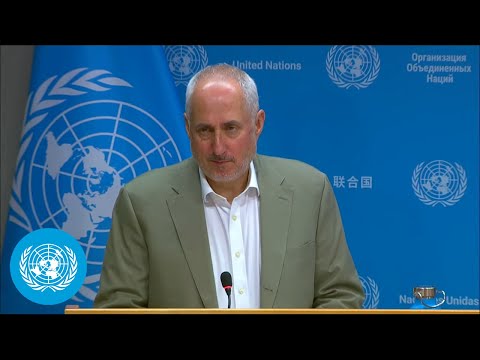
U.N. humanitarian coordinators said Thursday that cuts in funding are taking a growing toll on vulnerable people in Somalia, with a sharp reduction in food assistance and mounting impacts on health and nutrition services.
The briefing reported that about 4.6 million people face high acute food insecurity across Somalia this year and some 1,800,000 children under 5 are expected to be acutely malnourished. Humanitarian partners said food assistance has fallen by more than 50% compared with the same period last year.
The U.N. cited specific regional impacts: in Middle Shabelle, more than 28 nutrition sites could close by the end of the month, which would severely affect services for vulnerable children and pregnant and nursing mothers. In Banadir, more than 12,700 malnourished children (including about 1,100 with severe acute malnutrition) risk losing lifesaving treatment as 20 supplementary feeding sites face imminent closure.
The briefing also said mobile outreach health teams have fallen from 74 last year to 25 in Southwest State, and in Puntland 79 health facilities including 29 public health units have ceased functioning since the end of the year. Humanitarian agencies have reprioritized activities given reduced resources.
Somalia's humanitarian plan for the year seeks $1.4 billion and is just over 15% funded, with about $222,000,000 in the bank, the U.N. said.
Ending: The U.N. warned that without urgent and sustained funding the humanitarian crisis in Somalia will deepen, with preventable suffering and loss of life likely to increase.