Get Full Government Meeting Transcripts, Videos, & Alerts Forever!
Get email alerts on the Gaza Humanitarian topic
No spam. Unsubscribe anytime.
U.N. warns Gaza fuel crisis is critical as displacement orders and attacks strain aid delivery
Summary
The U.N. said fuel shortages in Gaza have reached a critical point, threatening hospitals, water systems and aid delivery; Israeli displacement orders for parts of Khan Yunis and restricted humanitarian movement are compounding the emergency.
The United Nations warned Thursday that a critical fuel shortage in the Gaza Strip is worsening already catastrophic humanitarian conditions, leaving hospitals, water systems and ambulances unable to operate and restricting the delivery of life-saving aid.
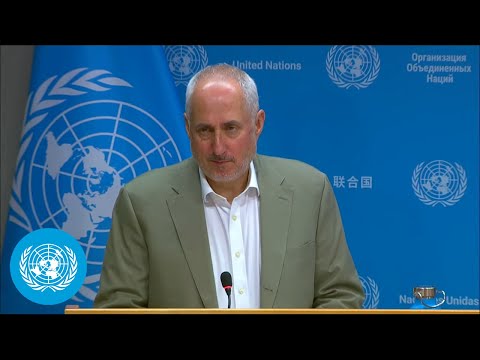
The U.N. Office for the Coordination of Humanitarian Affairs (OCHA) told reporters that available fuel is being rationed to sustain only the most essential operations and that there are virtually no additional accessible stocks. “Hospitals are rationing. Ambulances are stalling,” the U.N. spokesperson said.
OCHA and the World Health Organization reported repeated attacks on tents, schools, homes and medical facilities and said civilian deaths and injuries continue daily. The WHO representative in the occupied Palestinian territory warned that Nasr Medical Complex in Khan Yunis is overwhelmed, running ‘‘double its capacity’’ and is critically low on trauma supplies, medicines, equipment and fuel.
The U.N. briefing also noted a new Israeli displacement order for parts of Khan Yunis, specifically targeting people staying in tents. An initial review of the published map suggests the order includes areas that had not been subject to displacement orders since before the last ceasefire in March, and that the locations in which the displaced are being concentrated now amount to roughly 15% of the Gaza Strip and are fragmented and lacking basic infrastructure.
Humanitarian movements inside Gaza remain heavily restricted, the U.N. added. In one recent period, U.N. teams attempted 12 coordinated movements with Israeli security authorities: four were fully facilitated (one of which delivered supplies), four were denied outright, and four initially approved were impeded on the ground.
The briefing emphasized that issuance of displacement orders does not relieve any party of obligations to protect civilians, including those unable or unwilling to move. The U.N. pressed Israeli authorities to allow new fuel deliveries in large quantities to power desalination plants, hospitals and telecommunications, saying no new fuel had entered in recent months.
The U.N. characterized the situation as an unfolding protection and life-sustaining-services emergency: the fuel shortfall and limited access threaten to push mortality higher and to further degrade already strained sanitation and water systems.
Ending: The U.N. said it will continue to press for increased humanitarian access, larger fuel deliveries and facilitation of aid movements while continuing opportunistic operations on the ground where possible.