Get Full Government Meeting Transcripts, Videos, & Alerts Forever!
Get email alerts on the Animal Control Kennels topic
No spam. Unsubscribe anytime.
Council questions kennel program safety, volunteer backup after temperature checks
Summary
Council discussed the city's dock/kennel program for stray dogs after officers and volunteers described conditions, checks, and a volunteer backup plan; no formal policy change was made.
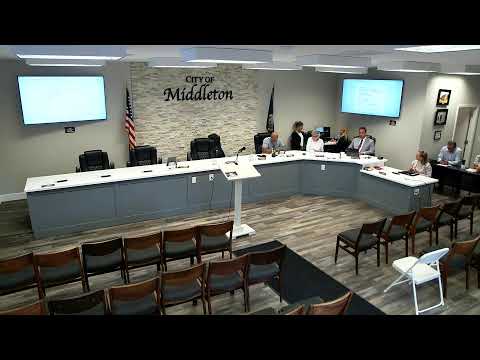
City police and volunteers briefed the Middleton City Council on July 2 about the city's dock/kennel program and how staff and volunteers monitor dogs left temporarily in outdoor kennels.
A sergeant and several volunteers answered councilor questions about temperatures, shelter design and volunteer backup plans. Council members sought reassurance that animals were being checked regularly and that the program had contingencies for extreme weather.
The sergeant said that the small hut-style dog shelters are designed for winter warmth and that a dog's body heat helps raise interior temperature. When asked about summer conditions, the presenter said concrete pads measured cooler than air temperature during a recent check, and volunteers said dogs generally remained in shaded center areas of the kennel.
Volunteers and the presenter said there have been roughly 124 dogs temporarily housed through the program over its operation and that, to their knowledge, no dog had died from heat or cold exposure. "We've never had any dog die from heat or cold exposure," a volunteer told the council.
Council members pressed whether there was a formal backup plan for extreme cold or heat; volunteers said several had offered to take dogs home and that community members sometimes call to report strays so volunteers can collect them. Officers also check the water bowls and the kennels "2 to 3 times a day," the presenters said.
Councilors emphasized the need to keep the animals safe and to review the program's contingency steps for extremes. No ordinance or formal direction was adopted; staff said they would continue monitoring and could return with additional details if council desired.