Get Full Government Meeting Transcripts, Videos, & Alerts Forever!
Get email alerts on the Human Rights Gender Affirming Care topic
No spam. Unsubscribe anytime.
Oak Park board holds first reading on ordinance adding gender-affirming care protections, schedules more community input
Summary
The Village Board held a first reading of an amendment to Chapter 13 of the Oak Park Village Code to add protections relating to gender-affirming care. Staff and several residents urged additional protections and listening sessions; the board did not adopt the ordinance and asked staff to return with a revised draft before the August break.
The Village Board of Oak Park held a first reading July 1 on a proposed amendment to Chapter 13 of the Village Code to add gender-affirming care protections to the village’s human rights chapter. Staff presented the draft and public commenters urged the board to expand protections and hold further listening sessions before a final vote.
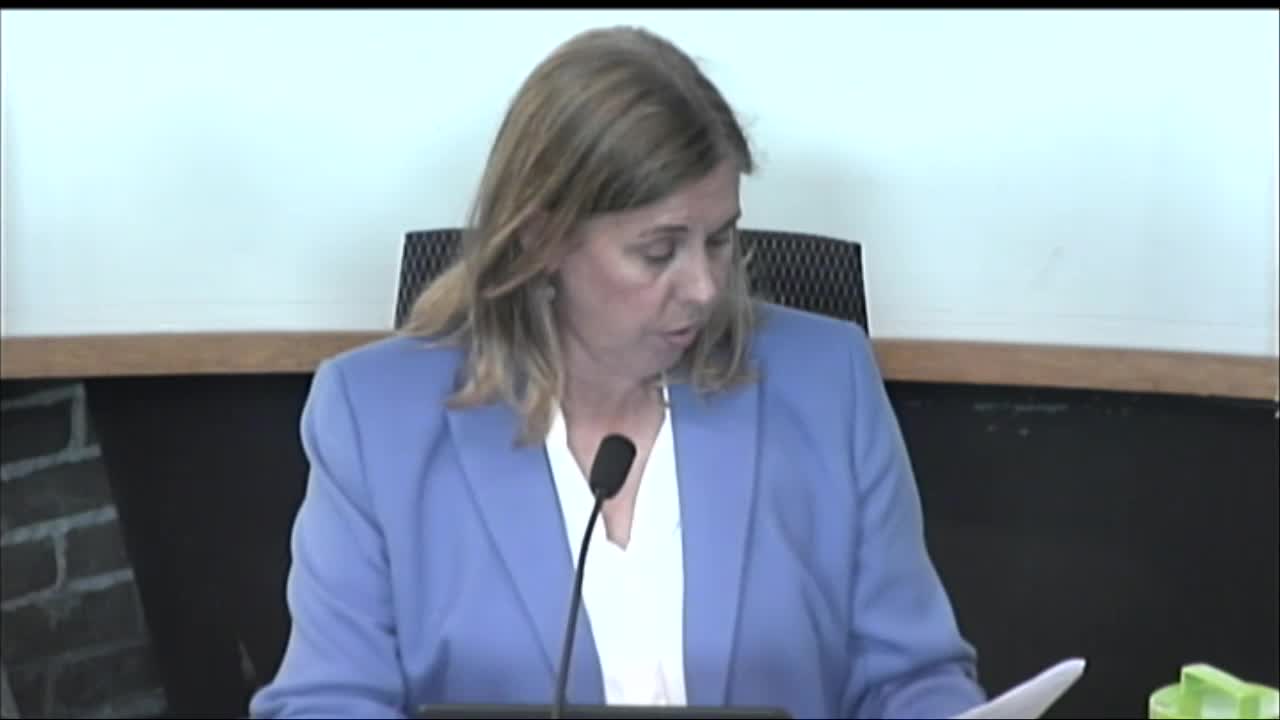
The draft ordinance is intended to incorporate gender-affirming care protections into Oak Park’s human rights code. Kira Chang, Assistant Village Manager and HR director, said the draft was developed in response to community advocacy and outreach and presented it to the board for feedback at a first reading. “This draft ordinance is to incorporate, in August in August of 20 24 and adopts it within to our village code, both as a as a an affirmation to our community for the beliefs that we have,” she said.
The measure drew public comment from residents and advocates who said the draft is a step forward but incomplete. Erin McManus told the board: “Gender affirming care is really important…this ordinance amendment too is a great step. It also does not include things like whistleblower protections, protection for providers, a community right to know, a legal defense fund, a public declaration, civil remedies for harassment, privacy safeguards in records and IT systems.” Mika Yamamoto, who said she served on Gov. Pritzker’s affirming and inclusive schools task force, said, “Gender affirming care saves lives,” and urged the board to define how the village would support people who may seek refuge in Oak Park because they cannot receive care elsewhere.
Trustees and staff discussed legal protections for providers and data/privacy issues. One trustee noted the Illinois Lawful Health Care Activity Act as an existing state statute that provides some protections for providers and suggested the ordinance explicitly align with those protections; another trustee said the draft as written focuses on village-held data requests and suggested clarifying language so providers are not required to share confidential information. Several trustees emphasized the need for community engagement before a final vote.
Board direction and next steps: staff said they would pursue targeted listening sessions with affected community groups, work with advocacy organizations such as PFLAG, and return to the board with a revised draft. Village Manager Jackson told the board he expected staff to bring a revised draft back before the board’s August break (the board’s last meeting before the summer break is scheduled for Aug. 5). A motion to waive the second reading was discussed but village staff recommended against waiving in order to incorporate further input; the board did not adopt the ordinance tonight.
Why it matters: Trustees and commenters framed the draft as both symbolic and practical: it would formalize village support for people seeking gender-affirming care while raising questions about whether the ordinance as drafted provides sufficient legal and privacy protections for patients and health-care providers. Several trustees said Oak Park has already become a destination for residents fleeing restrictions elsewhere and that the village should combine legal protections with concrete services and supports.
What’s next: Staff will hold listening sessions and consult with community groups and legal advisors, then return with a revised draft ordinance and recommendations for a timeline and any implementation resources.