Get Full Government Meeting Transcripts, Videos, & Alerts Forever!
Get email alerts on the Federal Policy topic
No spam. Unsubscribe anytime.
Trust leaders warn proposed federal changes to Homeless Continuum could shrink competitive grants and threaten supportive housing
Summary
Board members and staff discussed proposed federal budget and policy changes that would convert competitive Continuum of Care grants into formula or block grants and limit ESG activities — changes the Trust said could reduce funding for supportive housing and harm disabled residents.
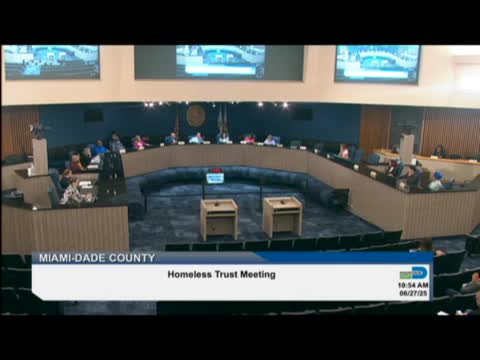
Trust leaders used the meeting to warn the board about a proposed federal shift that staff said would convert the competitive Continuum of Care (CoC) program into a formula or block grant and narrow the scope of Emergency Solutions Grant (ESG) funding.
Board members and the executive director said the administration's proposal — distributed in a memo to board members and discussed at recent meetings — would turn CoC funding into a formula grant administered by states and entitlement jurisdictions and would narrow ESG uses to rental assistance for up to two years. Millett told the board the Trust has “capitalized on the ability to compete in the annual program competitions” and that moving to a formula would remove the competitive advantage the Trust has leveraged.
Millett and other board members said the Trust's portfolio includes many units dedicated to people with disabilities and seniors who rely on long‑term permanent supportive housing; staff warned that a restriction to two years of rental assistance or a move to formula funding could jeopardize that work. The chair said the Trust is preparing an advocacy strategy and expects to meet congressional delegation members, and board members named several members of the delegation who they said understand the local continuum’s model, including U.S. Rep. Carlos Jiménez, Mario Díaz‑Balart, Rep. Frederica Wilson, Rep. Jared Moskowitz (referred to as a supportive member) and Senator Rick Scott.
The chair summarized the local concern bluntly: “If we go to a formula based system, we are going to get screwed,” he said on the record, adding that a formula would likely redistribute competitive dollars away from Miami‑Dade.
Staff said they were preparing talking points and a form letter to help board members and stakeholders advocate to the congressional delegation. The board did not take formal action on advocacy in this meeting but instructed staff to prepare materials for outreach.
Ending: Staff will distribute advocacy materials from the Trust, coordinate meetings with members of Congress and report back to the board on federal developments and potential budget impacts.