Get Full Government Meeting Transcripts, Videos, & Alerts Forever!
Get email alerts on the Diversion And Workforce Training topic
No spam. Unsubscribe anytime.
Boys & Girls Club and Pivot Reengagement present diversion, workforce training and reengagement results
Summary
The Boys & Girls Club of Indianapolis and the Pivot Reengagement Center described diversion outcomes (high non‑reoffense rates) and workforce training programs including welding, OSHA 10 and culinary arts, and asked the board to link referrals and potential contract expansions to the county reentry system.
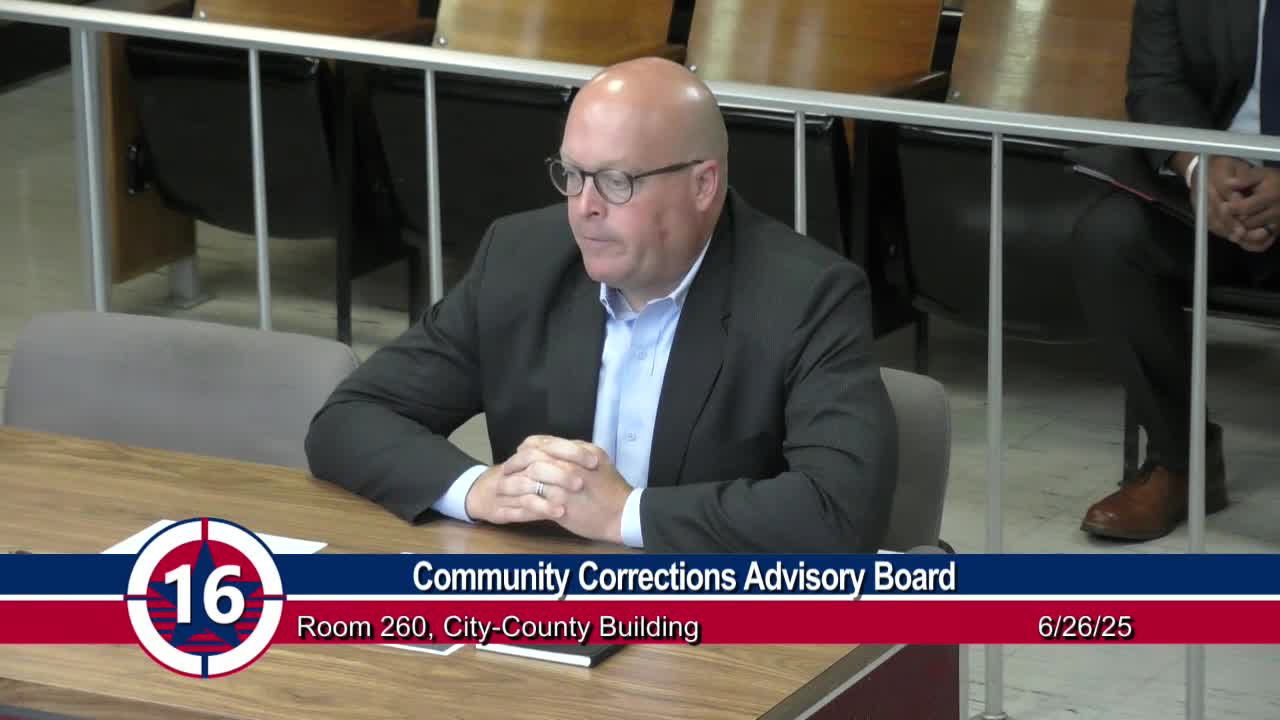
Representatives from the Boys & Girls Club of Indianapolis and the Pivot Reengagement Center presented outreach, diversion and workforce training results to the advisory board and asked for continued coordination with county partners.
Rosalie Roy, director of outreach services for the Boys & Girls Club, described a voluntary juvenile diversion program that accepts officer referrals in lieu of prosecution. She said diversion participants who engage with the program have low recidivism rates: the presenters cited a program metric that 95 percent of participating youth did not reoffend, and county probation data cited 88 percent of referred youth did not reoffend over a recent year. Roy said the program provides accountability agreements, a year of free club membership and activities such as college tours, conservation outings and arts programming.
Brody Palmer, director of the Pivot Reengagement Center, described adult reengagement and workforce training programs for 16‑ to 35‑year‑olds. Pivot has delivered certified training cohorts (30 certified MIG welders, multiple OSHA 10 completions) and provides stipends and barrier‑reduction funds for graduates. Programs pay participants $150 per week during training, provide transportation, meals, and industry certifications, and include post‑graduation check‑ins at 30, 60 and 90 days. Palmer said Pivot is felony‑friendly and partners with employers and nonprofit funders to expand opportunities.
Both presenters said much of the work is grant‑funded and uses partnerships, and neither asked the board for direct county funding at this meeting. They asked the board to help amplify referrals and to consider contract expansions for adult day reporting and diversion slots so more justice‑involved youth and adults can access programming.
"When we get a kid to come to one of our clubs and enter into the diversion program, 96 percent of them complete an accountability agreement," Roy said. Palmer added that cohorts include stipends and barrier funds to help graduates stay in work—his program recently provided $650 barrier funds and an additional $500 at 30‑day check‑in for a recent cohort.