Get Full Government Meeting Transcripts, Videos, & Alerts Forever!
Charlottesville staff outline multi‑year plan to refine development code, address stormwater and housing barriers
Summary
Neighborhood Development Services presented a fiscal 2026 work plan and a staged set of development‑code amendments to Charlottesville City Council June 16, detailing staffing, process changes, environmental/stormwater study work and short‑term rental outreach while noting persistent barriers affecting project approvals.
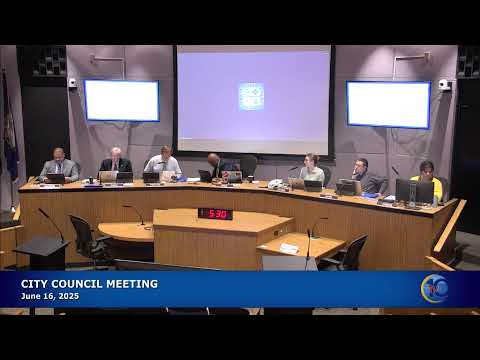
Neighborhood Development Services (NDS) Director Kelly Brown told the Charlottesville City Council on June 16 that the department is pursuing a multi‑year program of technical fixes, policy reviews and public engagement to implement the city’s development code, adopt targeted amendments and support housing production while protecting public safety and environmental resources.
Brown said the city’s development code was adopted in December 2023 and went into effect in 2024, and that NDS is now tracking implementation issues and preparing a fiscal year 2026 work plan that prioritizes nondiscretionary life‑and‑safety services, equity, staff capacity and alignment with council strategic goals. “My name is Kelly Brown. I am the director of Neighborhood Development Services, and I’m here today to present to you an update on the development code implementation,” she said.
The presentation outlined accomplishments from the prior year (including participation in CARTA, Move Safely Blue Ridge planning, a pump track at McIntyre Park, downtown café standards updates, and a revamped NDS website), staffing changes and recruitment needs, and a two‑part code‑amendment program staff calls Tier 1–3. Brown said NDS has 31 staff and is reviewing a temporary plan‑review position to increase permit review capacity.
NDS Development Planning Manager Matt Aufley provided detail on how the code has performed in practice. “We’ve had 90 pre‑application meetings in just over a year,” Aufley said, while noting only a small number of projects have completed the approval process to date. Staff reported that most proposed projects fall in the 6–12 unit range (the so‑called “missing middle”) but that utility constraints, stormwater requirements, fire access and some discretionary approval hurdles have limited conversions from concept to application and from application to approval.
Why this matters: Council members and staff said the code’s unit‑based approach aims to increase housing supply, but practical obstacles — technical, regulatory and financial — are limiting near‑term production. The…
Already have an account? Log in
Subscribe to keep reading
Unlock the rest of this article — and every article on Citizen Portal.
- Unlimited articles
- AI-powered breakdowns of topics, speakers, decisions, and budgets
- Instant alerts when your location has a new meeting
- Follow topics and more locations
- 1,000 AI Insights / month, plus AI Chat