Get Full Government Meeting Transcripts, Videos, & Alerts Forever!
Get email alerts on the Land Use Development topic
No spam. Unsubscribe anytime.
Resident urges Gallatin council to ‘slow down’ development, citing habitat loss and community character concerns
Summary
During public recognition at the June 24 meeting, resident Martha Zanger urged the council to slow the pace of development in Gallatin, saying rapid growth is eroding the city's character and harming local ecology.
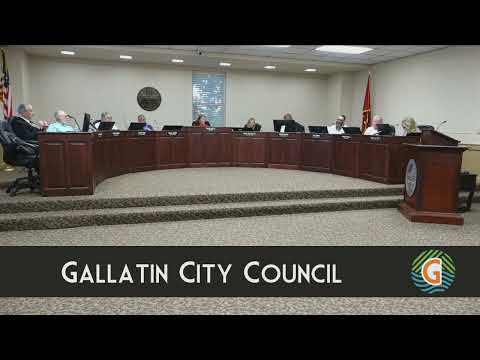
During the public recognition portion of the Gallatin City Council Committee meeting on June 24, resident Martha Zanger urged council members to slow the city’s pace of development to preserve community character and local ecosystems.
Zanger said she has been addressing the council for four months and described Gallatin upon arrival as a “sweet small city” with “genuine charm” that she fears is being lost to rapid construction. “All I've heard for the past 4 months is too fast, too much, slow down,” Zanger said. She told the council the pace of development is destroying animal habitat and plant life and that she has repeatedly urged elected officials to allow more time for the environment and infrastructure to adapt.
Zanger said she moved to Gallatin to retire and described being dismissed by some longtime residents because she has lived in the city for eight years. She asked the council to consider the cumulative consequences on traffic, drainage, noise and neighborhood character. Zanger did not propose a specific ordinance at the meeting; her remarks were delivered as public comment and no formal action was taken.
The committee meeting proceeded to the regular agenda after public recognition; staff and council did not record a formal response to Zanger’s remarks during the session.
Context: Zanger’s comments followed earlier public-recognition remarks that touched on downtown business support and previewed item 4 (central business improvement districts). Her remarks were part of several public comments the committee receives during the public-recognition period.