Get Full Government Meeting Transcripts, Videos, & Alerts Forever!
Get email alerts on the Animal Shelter Funding topic
No spam. Unsubscribe anytime.
McPaw shelter reviews 2024 operations, asks Valley County for larger multi-year contract
Summary
McPaw presented 2024 intake, cost and program data to the Valley County Board of Commissioners and requested the county increase its annual contract from roughly $25,000 to $40,000 with a proposed three-year term and 5% annual increases.
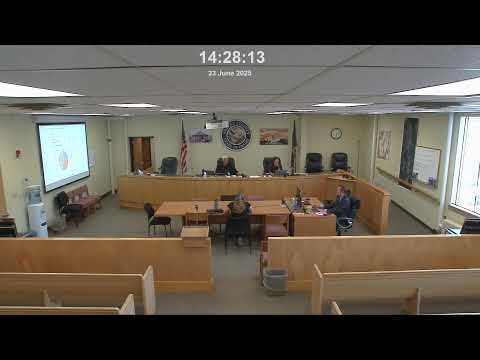
Courtney McFause, representing McPaw (the local animal shelter), presented the organization’s 2024 operations and funding picture to the Valley County Board of Commissioners and asked the county to increase its annual contract from about $25,000 to $40,000 and consider a three-year term with a 5% annual increase.
McFause told commissioners that roughly $106,000 of the shelter’s expenses were attributable to Valley County animals in 2024 and that Valley County accounted for about 35% of the shelter’s annual intakes. "That's kind of our breakeven cost. So, feels a reasonable and appropriate request to ask you to increase our contract to $40,000," she said. She added, "we'd also like you to consider a 3 year term with a 5% increase that kind of matches inflation." The shelter's current contract covers the first 30 days of impoundment, McFause said; when animals remain longer the county may be billed for additional daily care.
McFause reviewed program-level changes she said have reduced intakes and shortened stays: free or low-cost microchipping and ID tags, a pet food pantry, a trap-neuter-return (TNR) program for community cats, a community low-cost clinic (spay/neuter and vaccinations), behavior consultations after staff training, emergency sheltering for owners displaced by fire or other incidents, transfers to surrounding Idaho shelters, and foster placements. She said absence of a consistent shelter veterinarian in 2023 reduced the shelter’s intake capacity, and that restoring a veterinarian in 2024 helped lower average length of stay. McFause said average length of stay for 2024 was 29.4 days but dropped to 12.25 days in May after the shelter restored veterinary staffing.
McFause described a high-cost case from 2024 involving five seized sled dogs that arrived emaciated and required long-term rehabilitation and care. She said their care cost the shelter about $20,000 and that McPaw billed the county roughly $7,500 for days beyond the contract-covered period. "We're really proud of our staff, and their ability to rehab those dogs," McFause said.
On operating costs, McFause said daily cost of care rose about 80% from 2022 to 2024, driven mainly by food and labor, and that the shelter's cost-of-care calculation excludes corporate overhead (development, insurance, bookkeeping) to reflect direct animal care. She said the shelter's food pantry had distributed about 3,400 pounds last year and was nearly at 2,500 pounds so far this year, funded by community donations and not used for feed in-shelter animals.
McFause said McPaw has sought contracts or funding from other jurisdictions mentioned on the intake charts — Adams County and Idaho County — but had not yet received commitments. Commissioners did not take an immediate vote on McPaw’s request during the presentation; one commissioner said a formal decision would require the full board and the county’s evolving proposal/competitive process for outside funding, and staff indicated the county may invite formal proposals for a set application window in coming months.
McFause closed by offering additional budget details and the historical data included in her packet, and commissioners thanked her for the presentation.