Get Full Government Meeting Transcripts, Videos, & Alerts Forever!
Get email alerts on the Tax Policy topic
No spam. Unsubscribe anytime.
Council approves personal-property tax exemptions for several nonprofits; denies apartment portion of Strengthen Peers real-estate request
Summary
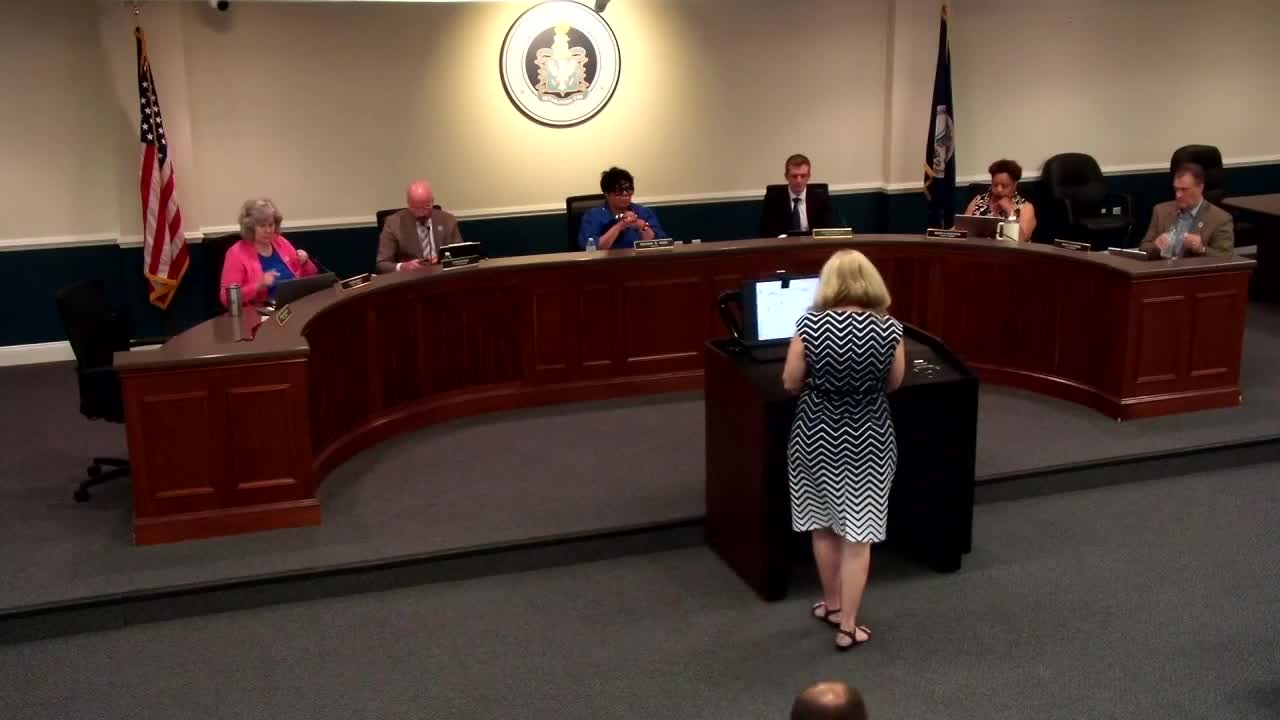
Harrisonburg City Council on June 24 approved personal-property tax exemptions for several nonprofits but denied a real-estate exemption for an upstairs apartment at a Strengthen Peers property, citing ordinance restrictions on dwelling use.
Harrisonburg City Council on June 24 approved personal-property tax exemptions for several nonprofit organizations and denied a real-estate exemption request for an upstairs apartment at a Strengthen Peers property.
Karen Rose, commissioner of revenue, told council the city ordinance (Title 4, Section 4-2-17) bars real-estate exemption for property used as a dwelling. Strengthen Peers had received a real-estate exemption last year for office space at 917 N. Main Street; this year the organization requested exemption for the upstairs apartment and for a van purchased after Jan. 1, 2024. The revenue office recommended denying the apartment exemption and granting personal-property exemption for the Strengthen Peers van.
Rose described other applicants: Virginia Clean Cities (1401 Technology Drive), which requested personal-property exemption for demonstration/educational vehicles used to promote alternative fuel vehicles; Village to Village Inc. (3006 S. Main St.), a nonprofit assisting refugee families; and Hope for Villages LLC, which operates the Bargain Hive thrift store raising funds for Village to Village projects and requested exemption for fixtures and trailers (not inventory). Staff recommended personal-property exemptions for Virginia Clean Cities, Village to Village Inc., and Hope for Villages LLC, and recommended denying Strengthen Peers' apartment real-estate exemption but approving Strengthen Peers' van as exempt personal property.
Council voted to adopt the commissioner's recommendations. The roll call vote was Vice Mayor Fleming Aye; Council member Dent Aye; Council member Robinson Aye; Mayor Dina Reid Aye.
Details cited in the presentation: Strengthen Peers' real-estate portion (apartment) assessment value would have carried a tax levy of about $4,709 at the city rate; the van personal-property assessment showed an estimated levy of roughly $1,056. Virginia Clean Cities' personal-property assessment (for fiscal year 2026) was projected at $58,625, with a tax levy of about $2,023; Village to Village and Hope for Villages personal-property assessments were lower and staff recommended exemption.
Votes at a glance: Personal-property exemptions approved for Strengthen Peers (van only), Virginia Clean Cities (vehicles), Village to Village Inc. (personal property) and Hope for Villages LLC (personal property). Strengthen Peers' real-estate exemption request for the upstairs apartment was denied.
Council members discussed the ordinance language that excludes use of exempt real estate as a dwelling unit and confirmed the apartment is not used to house program participants.
The commissioner of revenue said a host of existing nonprofit exemptions cover office space and personal property and that the city reviews applications with finance and treasurer staff before bringing recommendations to council.