Get Full Government Meeting Transcripts, Videos, & Alerts Forever!
Get email alerts on the Juneteenth Proclamation Watson Family topic
No spam. Unsubscribe anytime.
Sullivan County honors Watson family at Juneteenth celebration; The Chantels perform
Summary
Sullivan County Legislature marked Juneteenth with a proclamation honoring retired investigator Tommy Watson Sr. and his son, correction officer Tommy Watson Jr.; the Chantels performed the Black National Anthem and other songs.
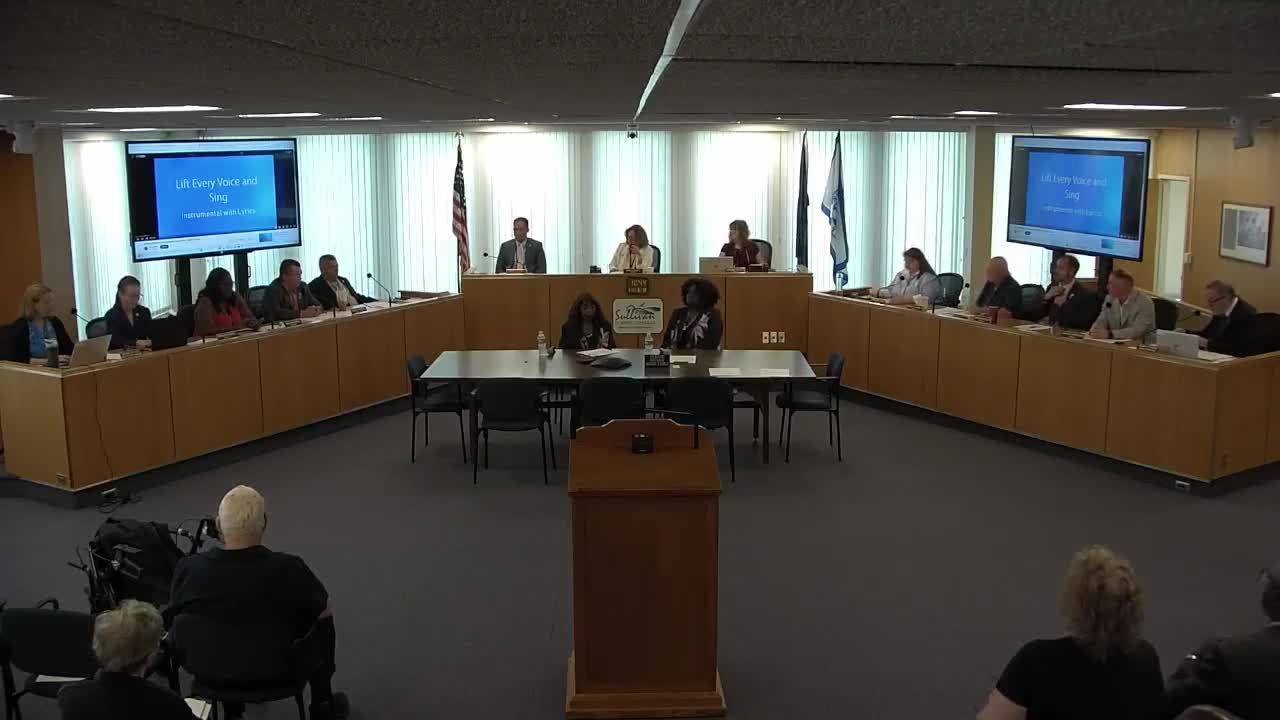
Sullivan County legislators presented a Juneteenth proclamation June 19 honoring retired New York State Police investigator Tommy Watson Sr. and his son, Correction Officer Tommy Watson Jr., and closed the observance with a performance by members of the Chantels.
The proclamation, read by Legislators Amanda Ward and Nadia Reich, says the Watson family "exemplifies this ongoing journey through generations of public service, civic engagement, and steadfast commitment to the community in the state of New York," and directs that the document be entered into the public record for June 2025.
Ramon Wilson, the county’s executive director of human rights, gave a short history of Juneteenth, noting that enslaved people in Galveston, Texas, were not informed of their freedom until General Order No. 3 arrived in 1865 and that Juneteenth became a federal holiday in 2021. He described the day as "a symbol of delayed justice and the endurance of Black Americans, a celebration of freedom, family, and resilience."
Orange County District Attorney Hoovler (identified in the meeting as the Orange County DA) told the Legislature he regarded Watson Sr. as “an incredible person” whose contributions to law enforcement and the community were substantial. Watson Sr. and several speakers, including family members and longtime colleagues, said the award recognized a multigenerational pattern of public service.
Renee Minus White, an original member of the Chantels, and her daughter Naomi White Randolph performed the Black National Anthem and later sang a Chantels hit. The Legislature, the county human-rights office and invited guests posed for photographs with the Watson family after the presentation.
The ceremony included remarks from Sullivan County NAACP President David Jett and longtime local historian Al Dumas, who each praised Watson Sr.’s community ties and record of service. The Legislature noted the proclamation’s text recognizes the Emancipation Proclamation and General Order No. 3 as historical touchstones of Juneteenth.
The event concluded with additional music and a group photograph. No roll-call vote on the proclamation was recorded during the public ceremony; the proclamation text was read and entered into the public record as part of the Juneteenth observance.
The legislative meeting continued afterward with regular business including committee reports and a series of resolutions taken in block votes.