Get Full Government Meeting Transcripts, Videos, & Alerts Forever!
Get email alerts on the Immigration Policy topic
No spam. Unsubscribe anytime.
Montgomery County outlines new immigrant‑support policies, commissioners and residents press for stronger ordinance
Summary
County commissioners described a package of new steps to protect immigrants’ privacy and access to services, and residents urged the board to adopt a formal "welcoming" ordinance during an extended public‑comment period.
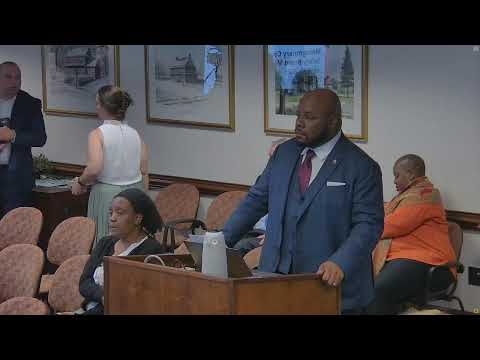
Montgomery County commissioners on June 18 described a multi‑part county strategy aimed at protecting immigrant residents’ privacy and access to services while several dozen public commenters urged the board to adopt a formal welcoming ordinance.
Commissioner Makeisha, speaking at the meeting opening, said the county has appointed a director of immigrant affairs and “we have to put public safety first and we have to put our communities first,” and outlined steps the county has taken to support immigrant residents.
The county’s actions, as summarized at the meeting, include creating the county’s first director of immigrant affairs (Neli Jimenez Arvallo, appointed about 90 days earlier), launching a multilingual immigrant resource web page, creating voter guides in eight languages, allocating recovery funds for community centers and an AAPI community and wellness center, and issuing a county policy limiting staff interactions with federal immigration authorities to instances required by law or accompanied by a judicial warrant. “The policy is clear about compliance and law,” one county official told the board during a clarification.
Why it matters: speakers in the meeting said the measures are intended to maintain trust between immigrant communities and county services, encourage reporting of crime and use of public health and support programs, and protect residents’ due‑process rights while recognizing that federal immigration law remains in force.
The public comment period that followed included repeated calls for the board to go farther. Dr. Andy Ladisio told commissioners, “I’m urging you to pass the welcoming act,” saying the measure would reduce fear that keeps people from reporting crimes or seeking medical care. Community organizer Stephanie Vincent told the board the employee policy is a start but “can be changed any day,” and urged passage of a stronger, more durable local ordinance.
Other commenters — including Peg Idol, Edward Lee of the City Center, Anne Marie Giacchio (joining by Zoom), representatives of Aclima, and several residents and organizers — described fear in their communities and urged permanent policy protections, legal defense support, translation services and municipal‑ID and workforce programs to reduce exploitation and under‑the‑table employment.
Commissioner Winder echoed concern about political violence and said elected officials must condemn threats against public servants; she also credited the county’s outreach to municipalities and described visits to Pottstown and other local engagement efforts. Commissioners repeatedly said they would review proposed policies carefully, noting the county must avoid adopting measures that conflict with federal law. One commissioner said they had received a final draft of an internal policy that morning and would review it for consistency with existing federal immigration law.
Residents pressed for clear next steps for township and borough officials and asked whether magisterial district courts and other local offices were covered; commissioners and staff said the county is coordinating guidance for county departments and will continue outreach to municipalities.
Ending: Several speakers and commissioners said more work is needed and urged activists and residents channel energy toward legal and legislative avenues as well as local policy changes. The board said it will continue refining policies and implementing measures that fall within the county’s authority.