Get Full Government Meeting Transcripts, Videos, & Alerts Forever!
Get email alerts on the Streetscape Sidewalks Benefit Street topic
No spam. Unsubscribe anytime.
Finance committee declines to recommend $6.2 million Benefit Street sidewalk borrowing; members cite timing and equity concerns
Summary
After extended testimony from Mile History Association and city staff, the Finance Committee voted to recommend denial of an ordinance that would authorize up to $6.2 million in borrowing for Benefit Street sidewalks and streetscape improvements, citing timing, budget strain and distributional concerns.
The Providence Finance Committee voted to recommend against approval of an ordinance that would authorize up to $6,200,000 in city borrowing to finance sidewalk, tree-well and Americans with Disabilities Act (ADA) improvements on Benefit Street.
The proposal, offered in collaboration with the Mile History Association and city engineering staff, would have used a subsidized loan product available through the Rhode Island Infrastructure Bank or a similar vehicle. Presenters described a detailed streetscape study identifying cracked sidewalks, tree-root damage, drainage problems and accessibility gaps along the historic corridor. Association members emphasized tourism, pedestrian safety and the street’s historic value; the group said it had raised funds for prior lighting and paving improvements and had prepared plans and petitions in support of the project.
City finance and public-works staff described two borrowing options: a conventional Infrastructure Bank loan (with a required debt-service reserve that raised the borrowing amount by about $700,000) and an alternative that would treat the borrowing more like a general obligation loan, which staff said could lower lifetime costs. Staff said the project was on the state's project-priority list—a prerequisite for the Infrastructure Bank option—and that the mayor’s proposed budget had included the resulting debt-service amount.
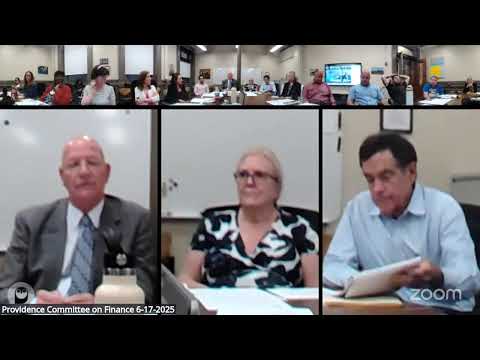
Committee discussion ran more than an hour. Several councilors praised the Mile History Association’s organizing but said the timing was wrong given the city’s tight fiscal position. Members raised concerns about equity and optics—asking why a high-profile, East Side corridor would receive a multimillion-dollar project while other wards wait years for sidewalk repairs—and urged a broader, citywide sidewalk strategy before committing to a large, targeted borrowing.
After debate, a motion to recommend denial of the ordinance passed. The committee recorded a roll-call during which several members voted in favor of denying the borrowing; the committee chair indicated the matter would be referred to the council with a recommendation to deny.