Get Full Government Meeting Transcripts, Videos, & Alerts Forever!
Get email alerts on the Medicaid And Funding topic
No spam. Unsubscribe anytime.
Health leaders warn Medicaid rollback and budget cuts could worsen county outcomes
Summary
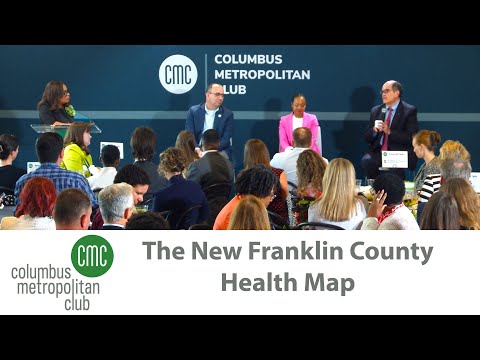
Panelists and audience members at the Columbus Metro Club forum said potential cuts to Medicaid and state public-health funding would likely increase uninsured rates, strain hospital emergency departments, and worsen outcomes on metrics tracked in HealthMap 2025.
During audience questions at the Columbus Metro Club forum, public-health officials and clinicians warned that proposed or possible rollbacks of Ohio's Medicaid expansion and reductions in state public-health funding could worsen health outcomes documented in HealthMap 2025.
"Fewer people in our community will have health insurance," Dr. Meshika Roberts, Columbus Public Health commissioner, said in response to a question about the effects of rolling back Medicaid expansion. She said reductions could drive people to federally qualified health centers and free clinics and cause some to forgo needed tests and medications. "We could actually see some of that life expectancy data that I shared earlier get worse," Roberts said.
Dr. Andrew Thomas, chief clinical officer at The Ohio State University Wexner Medical Center, said emergency departments typically become the safety net when coverage gaps widen: "I don't think any of us want to see us get back to" pre-expansion conditions when ERs were the care of last resort.
Audience members highlighted the stakes. Eric Davies of Transformative Consulting noted state budget discussions that appear to reduce supports and asked whether new local models could offset losses. Ray Bignell, pediatric nephrologist and chief health equity officer at Nationwide Children's Hospital, called the possibility of large-scale Medicaid losses "a five-alarm fire" for populations who rely on Medicaid for care and for research capacity tied to children's hospitals and academic centers.
Panelists said they would convene local partners and explore innovative responses, but stressed that county-level mitigation depends on available funding and broader policy choices. Several speakers praised Medicaid managed-care organizations and local provider networks as partners that would be part of any county response, but specific contingency plans and funding sources were not detailed during the forum.
Ending: Forum participants urged local leaders and stakeholders to monitor state and federal budget developments and to use HealthMap 2025 as a planning tool for targeted response if coverage or prevention funding is cut.