
Franklin County HealthMap 2025 spotlights infant mortality, housing and ACEs as top priorities
Get AI-powered insights, summaries, and transcripts
Subscribe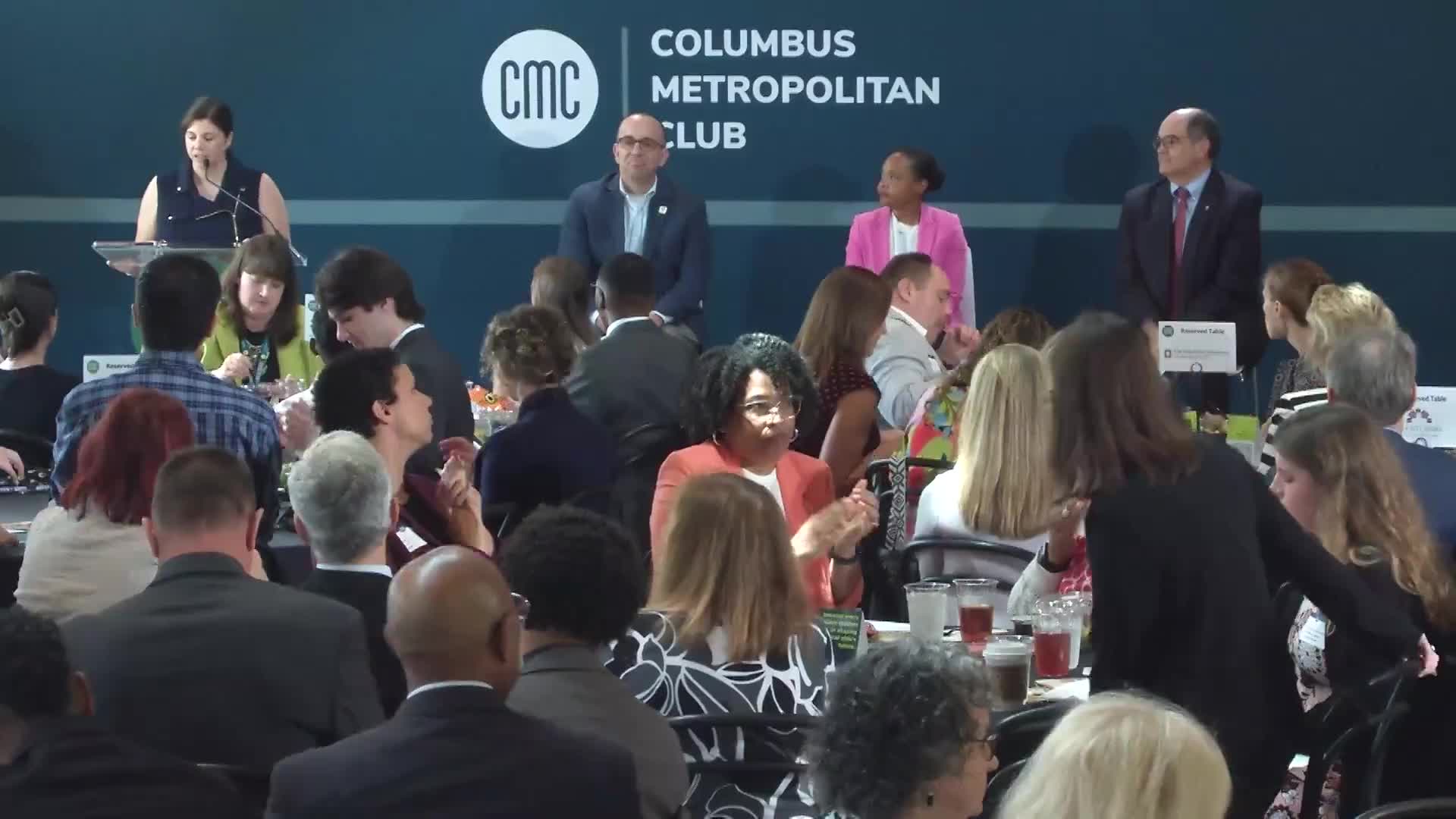
Summary
Health leaders from Franklin County, Columbus Public Health and four hospital systems unveiled HealthMap 2025, a community health assessment that highlights infant mortality disparities, housing and adverse childhood experiences as leading priorities and calls for cross-sector action and sustained prevention funding.
Franklin County and regional health leaders on a Columbus Metro Club panel on June (date not specified) released HealthMap 2025, a countywide community health assessment that ranks infant mortality, housing insecurity, mental health, adverse childhood experiences (ACEs), maternal and infant health, and injury-related deaths among the county's top priorities.
The report, produced collaboratively by Franklin County Public Health, Columbus Public Health and the four hospital systems that make up the Central Ohio Hospital Council, combines quantitative and qualitative data and is intended to guide public-health planning across Central Ohio for the next three years. "HealthMap 2025 is really a snapshot, but it gives us a good understanding of the health challenges and the health opportunities that we face here in Franklin County," said Joe Mazzola, Franklin County health commissioner.
Why it matters: HealthMap 2025 aims to align hospitals, public-health agencies and community organizations behind a set of shared priorities rather than having each hospital pursue separate assessments. "All four hospitals came together to do jointly the interviews in the community, the data gathering so that all four of us weren't going in and asking the same exact people," said Dr. Andrew Thomas, chief clinical officer for The Ohio State University Wexner Medical Center, noting the collaborative approach and that steering committees included more than 30 community organizations.
Key findings and focus areas
- Infant mortality: The report reaffirms infant mortality as a leading indicator of community health and draws attention to persistent racial disparities. "Black babies here in Franklin County are two and a half to three times more likely to die before their first birthday," said Dr. Meshika Roberts, health commissioner for Columbus Public Health.
- Social drivers: Housing, transportation, access to healthy food and economic stability were identified as central social drivers that shape many downstream health outcomes.
- ACEs and prevention: HealthMap 2025 elevates adverse childhood experiences as a primary focus, recommending upstream prevention and community supports. "ACEs being called out, really for the first time, and getting that attention," Dr. Thomas said, calling it one of the document's most innovative emphases.
- Geographic disparities: The report maps outcomes by ZIP code and neighborhood, highlighting substantial variation in life expectancy across Columbus neighborhoods; panelists said some neighborhoods show life expectancy differences of 10 to 15 years compared with others.
Programs and practices cited
Panelists described place-based and cross-sector efforts that use the HealthMap data to target services, including a federally qualified health center run in partnership with Ohio State in the near East Side, the Healthy Community Center (a former library repurposed for free community programming), and targeted mobile units. The hospital systems fund programs such as a medical-legal partnership that provides legal aid to pregnant patients facing eviction or utility shutoffs.
Funding and prevention
Speakers repeatedly urged greater, sustained investment in public health and prevention. "For every dollar we spend in health care, only a penny goes to public health," Mazzola said, adding that local control over prevention funding would allow communities to prioritize interventions identified in the health map. Panelists also warned that cuts to state or federal funding, including reductions to programs now covered by Medicaid, could undermine progress and worsen outcomes.
Nut graf: HealthMap 2025 is intended to serve as a three-year road map that channels hospital, public-health and community resources to prioritized, place-based interventions — shifting emphasis from treating disease to preventing the social conditions that contribute to poor health.
What leaders plan next
Panelists said the next steps include convening community partners around the map's priorities, hosting an ACEs resilience summit (noted as scheduled for July 21 in the presentation), expanding school- and community-based behavioral health services and continuing to use ZIP-code level data to place new clinics and mobile services where they are most needed.
Attribution and scope
The panelists stressed the collaborative nature of the report: representatives of Franklin County Public Health, Columbus Public Health and the four major hospital systems participated in the data gathering and planning process. Participants noted the report is the fifth HealthMap produced by these partners and builds on federal community-health needs-assessment requirements tied to hospitals and Medicare/Medicaid participation.
Ending: Panelists urged community organizations, health systems and local leaders to use the HealthMap as a shared blueprint for prevention and equity, while acknowledging that improved outcomes will require sustained funding and cross-sector action over several years.