
Tourism bureau candidates emphasize destination management and cooperation with local businesses
Get AI-powered insights, summaries, and transcripts
Sign Up Free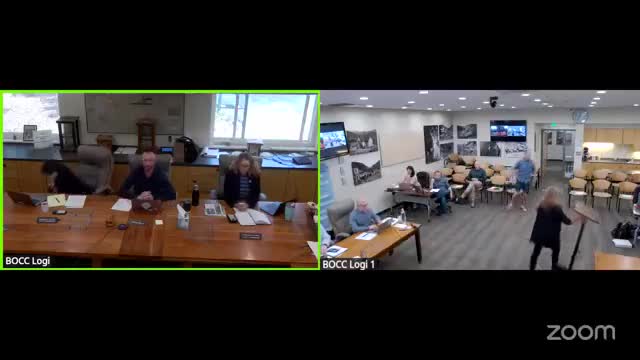
Summary
Two applicants for the Clear Creek County Tourism Bureau spoke to commissioners on June 17 about shifting promotion toward destination management, improving coordination with towns and businesses, and limiting negative impacts from vehicles and overcrowding.
The Clear Creek County Board of County Commissioners interviewed two candidates for vacancies on the county Tourism Bureau on June 17, hearing detailed pitches about visitor management, local business collaboration and off‑season opportunities.
Alan Blado, owner of Liquid Descent Rafting, told commissioners he helped lead a shift on the Tourism Bureau toward “quality over quantity” after 2021 and said the bureau should act more like a destination‑management organization. Blado described Clear Creek River rafting as a “world‑class whitewater experience” and said his top management priorities include reducing impacts that harm residents’ daily lives — for example, managing vehicle congestion at rafting takeouts in Idaho Springs and coordinating loading/unloading so commercial operations are less invasive.
“...if we can make the impact less invasive, it’ll be easier for [locals] to see the benefits because they see it right away,” Blado said, adding that raft companies can play a role in instructing clients on local etiquette.
Sarah Kaiser, who said she and her husband operate ATV tours and formerly ran motorsports and resort programs, emphasized experiential marketing and cross‑promotion among businesses. Kaiser described building relationships with hotels and restaurants, making coupons and brochures available to visitors, and supporting community events. She said the tourism bureau should pursue workforce development and coordinate promotions so visitors who come for short day trips convert to multi‑purpose stays.
Both candidates addressed off‑road vehicle (OHV) concerns and the tourism bureau’s current county policy of non‑expansion of OHV marketing. Blado said commercial, guided OHV tours can be a controlled, beneficial offering; Kaiser said she supports an inclusive approach for commercial OHV tours while acknowledging the community’s concerns about enforcement and trail damage.
Why it matters: Commissioners are balancing growth in visitation with quality‑of‑life and infrastructure constraints. Applicants’ proposals — centered on visitor management, interagency coordination and business cross‑promotion — reflect a local priority to capture more visitor spending while reducing nuisance effects.
Next steps: The board challenged both applicants to await a decision within two meetings; commissioners said an appointment would likely appear on the consent agenda at a July 15 meeting.
Ending: Applicants asked the board to support tourism‑focused workforce planning and more cross‑jurisdictional coordination. Commissioners said greater collaboration with municipal marketing efforts and early stakeholder engagement will be essential if the bureau undertakes destination‑management work.