Get Full Government Meeting Transcripts, Videos, & Alerts Forever!
Get email alerts on the State Legislation topic
No spam. Unsubscribe anytime.
City staff brief council on 2025 Texas Legislature outcomes and local impacts
Summary
Denton’s chief of staff and legislative consultant summarized the 2025 Texas legislative session: major constitutional amendments and emergency items advanced for voters, changes to open‑meetings notice, housing and land‑use preemption bills, and other measures that may affect city revenues and operations.
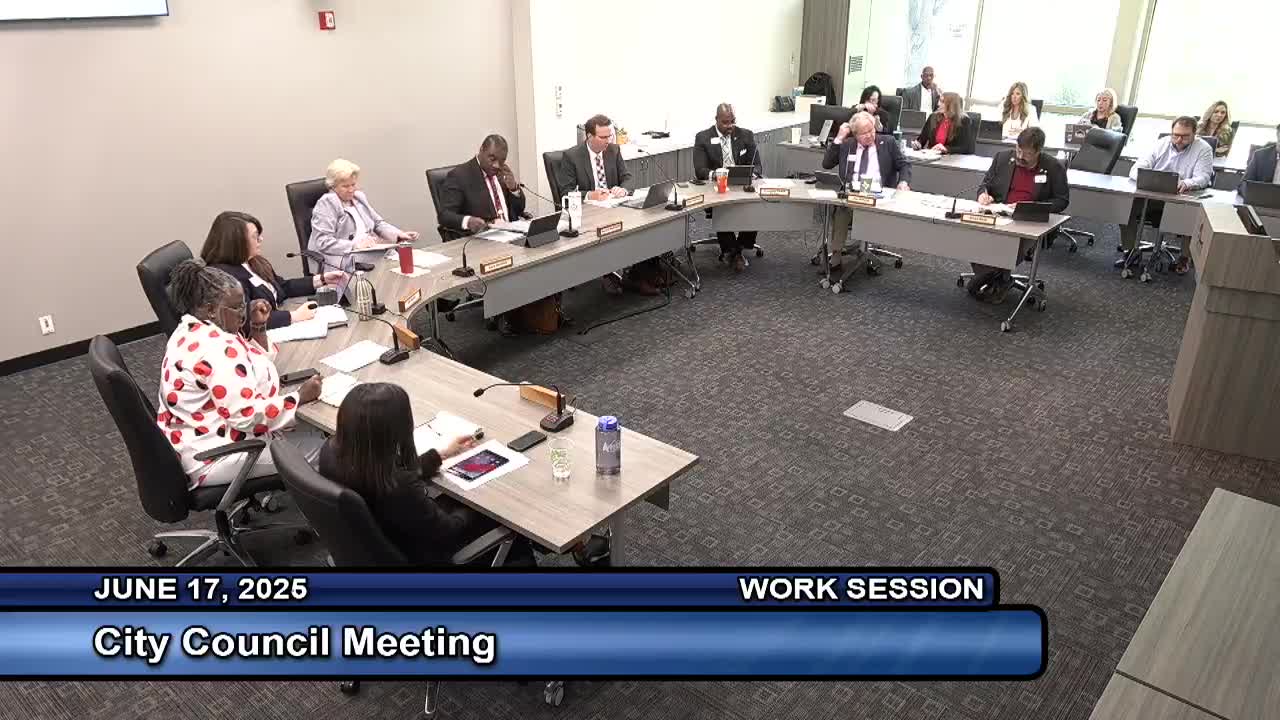
City staff and the city’s legislative consultant gave Denton City Council a high‑level briefing Tuesday on the 2025 Texas legislative session and potential local impacts.
Chief of Staff Christie Fogel summarized the city’s outreach and tracking: staff monitored more than 700 bills and registered formal positions on 32 measures that aligned with the city’s legislative priorities. "This session was about laying the groundwork, building our relationships in Austin and setting ourselves up for even more engagement and success in the future," Fogel said.
Major developments highlighted by staff included: - Property tax and school finance initiatives: an HJR and related bills would increase local property‑tax homestead exemptions and move amendments to the November ballot; staff said the fiscal impact for the city depends on whether voters adopt the constitutional language and on implementation details. - Water and school investments: constitutional and appropriations items were described as large investments in Texas water systems and school finance. - Open meetings change: HB 1522 (staff referenced bill number HB 1522 in discussion) reduces the Open Meetings Act notice requirement from a 72‑hour rule to a 3‑business‑day standard; staff said that may shift when agendas are posted for Tuesday meetings. - Land use and housing preemption: several bills were flagged as materially changing municipal zoning authority, including bills that would require cities to allow manufactured homes by right, constrain zoning requirements for single‑family minimum lot sizes and allow certain multifamily development by right in areas that permit commercial or mixed uses; staff said those changes will require development‑code updates. - Criminal and public‑safety changes: bills address matters such as penalization for interference with utility crews during disaster response and restrictions on municipal use of funds to bail defendants; staff noted the city does not currently use public funds to bail defendants.
Other measures staff called out included a bill restricting the sale and marketing of hemp‑derived THC products (potential effects on sales tax revenues) and legislation changing housing finance corp oversight. Staff also noted SB 1173 increased competitive‑bidding thresholds, giving more procurement flexibility for purchases under $100,000.
Christie Fogel and DME and other department representatives told council staff will continue to parse recently passed laws, watch the governor’s veto period and return with implementation steps. "Staff will be attending the TML legislative briefing on June 27 and we'll have additional updates and more information on legislation in the upcoming weeks," Fogel said.
Council asked for follow‑up on budgetary impacts tied to any enacted property‑tax changes and for staff to bring specific code amendments needed to comply with new land‑use preemptions.
Public comment did not directly address the legislative briefing; staff said the governor’s veto period would end June 22 and reminded the council that several constitutional amendments will go to voters this November.
Staff promised a more detailed information session and interdepartmental review of new laws in the coming weeks so the council can identify implementation actions or seek local clarifications where the legislature delegated rulemaking to state agencies.