Get Full Government Meeting Transcripts, Videos, & Alerts Forever!
Get email alerts on the Animal Control topic
No spam. Unsubscribe anytime.
North Augusta temporarily suspends volunteer animal-at-home program amid liability review; city attorney, chief outline next steps
Summary
North Augusta temporarily suspended a practice allowing volunteers to remove shelter animals off-site after staff and the city attorney raised municipal liability concerns; administrators said they will revise waivers and confirm insurance coverage and aim to return to council with a plan within about 30 days.
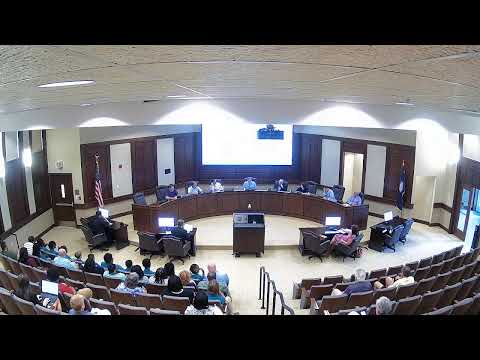
North Augusta temporarily suspended a volunteer program that allowed volunteers to take animals from the city shelter off-site, citing municipal liability concerns. At the June 16 City Council meeting Chief Johnson and the city attorney outlined the issue and said the administration is working on revised paperwork and insurance confirmations to restore a safe, compliant version of volunteer participation.
Chief Johnson told council the city is not reducing care for animals and highlighted recent adoption and transfer successes, including a dog that had been in the shelter since April 4 and dogs transferred to other shelters. He said animal-control officer Craig McBride works closely with volunteers and that the department strives to place animals in homes. Chief Johnson also stated the shelter’s condition presents challenges for medical recovery and cited at least one instance this week where alternative housing was arranged for a dog that needed eye surgery.
The city attorney reviewed the legal concerns in detail. He said two different volunteer-related documents exist: a waiver/assumption-of-risk form and a holiday foster program form that permits animals to be taken home for limited periods. The attorney said the key legal exposure is that once the city releases an animal from its custody, the city remains legally responsible for its actions; he referenced a change in the municipal liability caps (as described in the meeting) and emphasized the need to confirm coverage with the city's insurer (referred to in the meeting as "Smurf") and to revise volunteer agreements to limit municipal exposure.
The attorney said he will coordinate with the insurer and staff and expects to have a recommended approach back to council within about 30 days. He also warned against inadvertently creating worker‑compensation exposure for volunteers if the volunteer arrangements are not drafted carefully. Chief Johnson and council members said they hope to restore safe volunteer involvement quickly; councilmember comments urged administration to move expeditiously because volunteers are key to adoptions and medical care for animals.
Council received operational details from volunteers and staff describing high adoption rates: staff and volunteers said the shelter had taken in 64 dogs year-to-date and that three dogs had been euthanized due to aggression (the shelter described an adoption rate above 95 percent for adoptable dogs). Council asked for a study session later in the summer or fall to address long-term shelter needs. The administration said volunteers are temporarily not allowed to take animals off-site until paperwork, insurance confirmations and any necessary policy changes are completed.