Get Full Government Meeting Transcripts, Videos, & Alerts Forever!
Get email alerts on the Land Use Development topic
No spam. Unsubscribe anytime.
Residents urge commissioners to block proposed Old Lake Road rezoning, citing aquifer and access concerns
Summary
Multiple Lake Waccamaw-area residents told the Columbus County Board of Commissioners they oppose a proposed planned-unit development (PUD) on Old Lake Road, citing risks to the aquifer, the lake's ecology, boat access and county services.
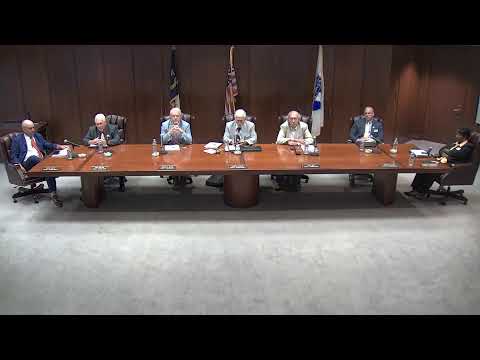
Dozens of residents told the Columbus County Board of Commissioners on June 2 that a proposed Planned Unit Development on Old Lake Road should not move forward until the county can verify the project's impact on the local aquifer, public access to Lake Waccamaw and county services.
The most direct appeal came during the public-comment period from Matthew Schwartz, a Lake Waccamaw resident, who asked commissioners to "vote down any proposed PUD rezoning on Old Lake Road" until infrastructure for existing county residents is prioritized. "No water or sewer services should be allocated to this new development until infrastructure for current county residents have been fully updated and prioritized," Schwartz told the board.
Why the issue matters: speakers said the lake's unique ecology depends on groundwater recharge and springs; they warned large-scale pumping could permanently depress the water table, harm aquatic life and reduce public enjoyment of the lake. "If you drop the aquifer enough, the aquifer isn't charging the lake," said Jeff Lane, a lifelong Columbus County resident who described similar long-term spring declines he has studied elsewhere.
Speakers detailed the scale of the developer's proposal as they understood it and the local consequences. Schwartz said the plan would create "4,500 new homes" and warned it could siphon "over 1,000,000 gallons per day." Lane described a rough calculation using an industry rule-of-thumb—"Google says 300 gallons per home, multiply that times 4,500"—and said pumpage at that scale could create long-lived cones of depression.
Other residents pressed related concerns. Vondia (Adalia) Williams asked whether federal, state or NGO funding had been appropriated for the project; county staff said the board and staff had "no participation at this point" and that they did not foresee county funds being appropriated. Susie (Tina) Elliott and other longtime lake residents questioned how limited public access—three shared piers and a small state park access point—would accommodate thousands of additional residents, saying boat-landing congestion is already a summer problem.
Chad Smith urged the board to consider fiscal impacts and asked who would provide local jobs that would keep newcomers spending locally rather than commuting elsewhere. Johnny Edge urged residents and the commission to "get prepared" for growth but stressed the need for more public education on long-term impacts.
Board response and next steps: Commissioners did not take a formal vote on the rezoning during the meeting. County Manager Eddie Madden told the meeting he and staff had had "no participation at this point," and he did not identify any pending county approvals or appropriations. Commissioners acknowledged hearing residents' concerns and encouraged continued public engagement as the issue moves through the planning and hearing process.
Ending: Residents asked the board to withhold water and sewer allocations until further study; several urged the county to commission more hydrogeologic data before any PUD approval. The commissioners did not adopt new policy or a moratorium at the June 2 meeting; public comment closed after the board's time limits were enforced.