Get Full Government Meeting Transcripts, Videos, & Alerts Forever!
Get email alerts on the Investments And Fees topic
No spam. Unsubscribe anytime.
Chester County retirement fund posts small quarterly loss; public asks for fee transparency
Summary
Investment consultants reported the Chester County Employees' Retirement Fund was down 0.7% for the quarter and remains around $544 million; a Penn Township resident urged the board to report actual dollar amounts paid in manager fees and raised concerns about delayed private-equity statements.
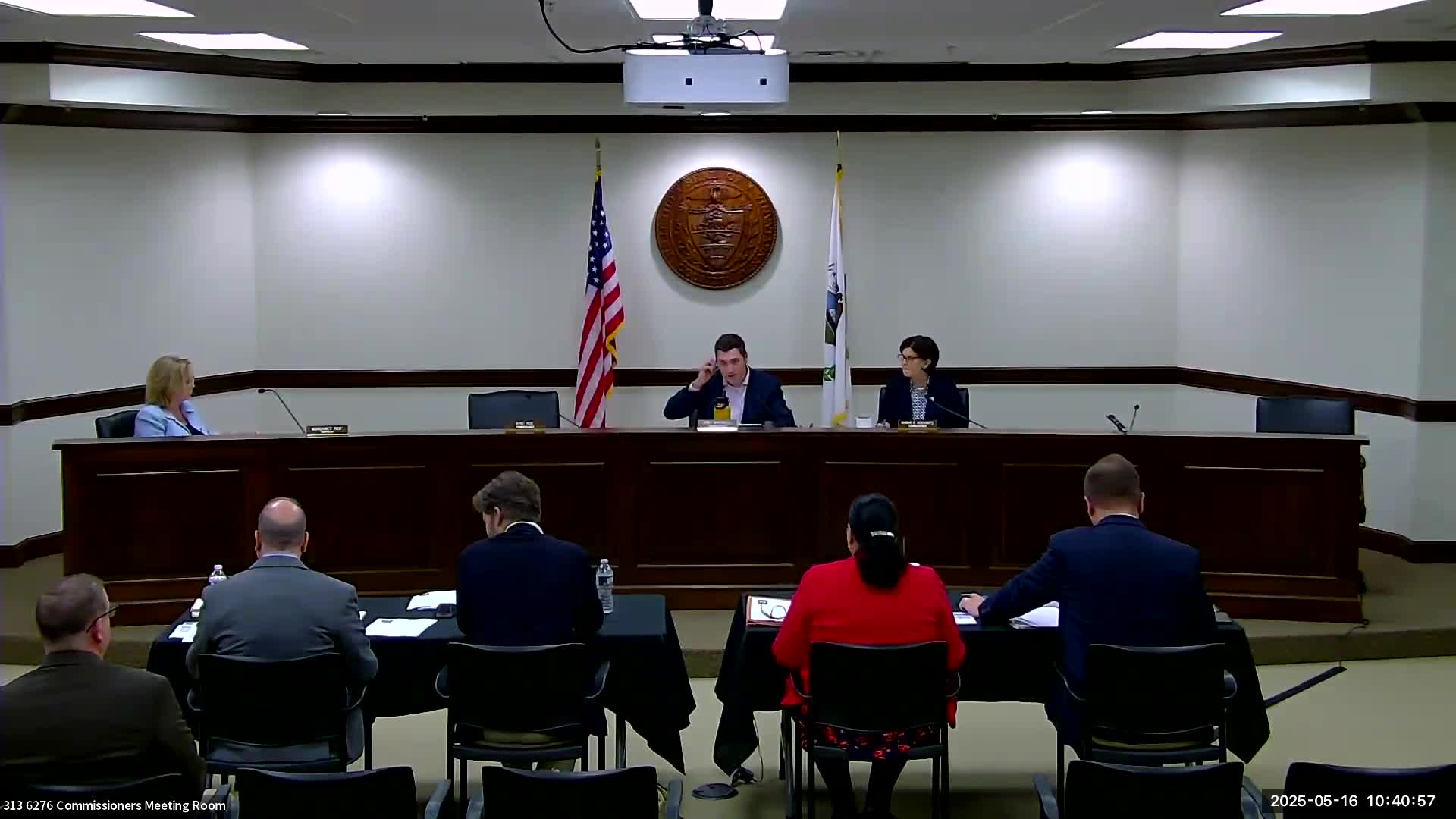
Investment advisors told the Chester County Employees' Retirement Board on May 16 that the county's retirement portfolio was down 0.7% for the quarter and ended the period at about $542.5 million, with a year-to-date decline of 0.4% through April.
The presentation, given during the board's performance update, said the portfolio began the quarter at about $555.8 million and reflected $9.3 million in total withdrawals and roughly $6.5 million in capital losses for the quarter. An investment presenter said more recent market gains have brought the fund closer to $557 million as of May 13.
A Penn Township resident, James Delusio, used the meeting's remote-participation option to ask the board to include dollar amounts for manager and advisory fees in future quarterly reports. "It's valued at over a half a billion dollars and all your efforts in that regard are deeply appreciated," Delusio said, then asked for the reports to show the actual dollar value of fees, not just percentages.
Why it matters: Board members and staff said dollar-dollar reporting on fees is feasible but would be estimated because many fees are paid in arrears. The investment presenter told the board they can calculate estimated fees by applying each manager's percentage fee to average assets for the quarter and that many clients already present estimates that way.
Private equity and stale statements: Delusio also flagged that some private-equity manager statements in the board's packet were dated late 2023 and asked about Banner Ridge (referenced in materials as a DSCO fund). The investment presenter explained that private-equity reports are typically delayed (often 90–100 days after year end) and that the board's office issues a second, updated set of books once those statements arrive. The presenter said a Banner Ridge statement should be available within a month or two and that the fund's unfunded commitment to Banner Ridge is roughly $7 million; managers use leverage, so not all of that commitment is expected to be called immediately.
Fees example: The public commenter noted Ben Franklin (a legacy position) showed roughly $117,000 in fees on an older statement; board staff acknowledged that earlier manager statements could include historical fee totals and agreed to work toward presenting estimated current-dollar fee totals in future quarterly materials.
Portfolio positioning: Presenters said the fund is currently a bit overweight fixed income and underweight real estate and private equity compared with targets. They described fixed income as the portfolio's ballast during volatility and said allocations were set to manage risk after the 2022 market downturn. The presenter also explained asset-smoothing practices that spread recognition of the 2022 loss over multiple years.
What the board asked staff to do: Board members supported adding an estimated-dollar column for manager fees in upcoming quarterly reports and asked staff to provide the updated Banner Ridge statement when it arrives and include a second, finalized quarterly book that reflects late private-equity statements.
Ending: The board moved on to the actuarial update after about an hour of investment discussion. No formal allocation changes were adopted at the May 16 meeting.