Get Full Government Meeting Transcripts, Videos, & Alerts Forever!
Get email alerts on the Federal Legislation topic
No spam. Unsubscribe anytime.
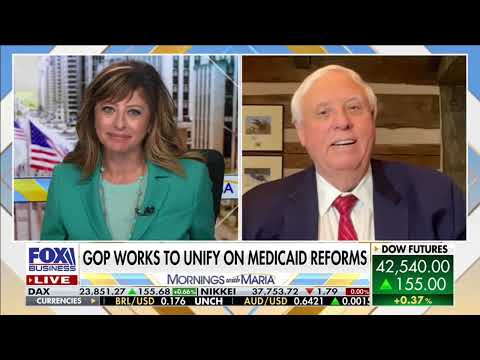
Governor Jim Justice says Senate will be 'methodical' on taxes, debt ceiling and stablecoin bills
Summary
In a broadcast interview, Governor Jim Justice said lawmakers would move 'methodically' to complete tax and debt-ceiling legislation, voiced support for permanent tax changes and overtime relief, and said he expects stablecoin legislation to clear the Senate after consultations with Sen. Cynthia Lummis.
Governor Jim Justice told a broadcast interviewer that the Senate would proceed "methodically" to finish a package of tax and debt-ceiling legislation and that lawmakers should seek permanence for tax changes rather than temporary measures.
The comments, made during a roughly seven-minute interview, addressed a range of federal items including lifting the SALT deduction cap, raising the debt ceiling, the so-called overtime wages tax relief proposals aimed at lower earners, and pending stablecoin legislation. Justice said lawmakers were "trying to absolutely craft 1 beautiful bill" and that the Senate would take extra time to get it right.
Why it matters: The timing and scope of any tax package and the approach to the debt ceiling will shape federal borrowing, household taxes and entitlement programs. Justice discussed potential changes to Medicaid eligibility and responded to criticism from House Democrats, indicating partisan fault lines remain as both chambers move competing measures.
Justice said lawmakers need stable, long-term policy changes. "We need permanency. Do we not? I mean, that's all there is to it," Governor Jim Justice said, adding that tax cuts aimed at lower earners should not be paid for by broad tax increases. He also defended proposals to reward lower-wage workers, saying, "They're the people that step up all the time... Why take more of their money?"
On the timeline for the debt ceiling and related treasury notices, Justice told the interviewer he expected necessary dates and notices to be provided "when we need it," and urged lawmakers not to "run through the halls with our hair on fire." He referenced July and the congressional August recess when discussing timing but did not give firm calendar commitments.
Justice addressed stablecoin legislation that lawmakers expect to reach the Senate floor. Citing Sen. Cynthia Lummis of Wyoming, he said he believed the Senate would "get across the finish line" on language that preserves boundaries between bank regulation and stablecoin issuance, while noting he had not been in all of the closed meetings: "I haven't been in in the meetings and everything... I'm just talking to Cindy and different folks." He added that he consults with Lummis and others about the issue.
The interview included a recorded statement from House Minority Leader Hakeem Jeffries criticizing a House bill that advanced in the Energy and Commerce Committee. "The one big ugly bill will hurt the American people, take away health care, strip away nutritional assistance from everyday Americans, literally rip food out of the mouths of children, seniors, and veterans," Jeffries said in the clip played during the broadcast. Justice said he found the Democratic criticism difficult to reconcile with his view of needed Medicaid reforms and spending controls.
Justice also stated political confidence: "We won this election absolutely hands down," and added that Republicans need to deliver on priorities.
What was not decided: The interview contained no formal votes or commitments to specific bill texts, and Justice said he had not participated in all drafting meetings for the stablecoin language. He did not specify exact enforcement dates, dollar amounts, or the final text of any bill.
Next steps: Justice said he expected legislation to move in the coming weeks and described the summer as "going to be an exciting summer," but he did not provide firm dates beyond general references to July and the August congressional recess.