Get Full Government Meeting Transcripts, Videos, & Alerts Forever!
Get email alerts on the Electric Vehicles topic
No spam. Unsubscribe anytime.
Houston fleet has 78 battery EVs, 772 hybrids; charging, recalls and supply chain slow 2030 EV target
Summary
Fleet officials told a council workshop Houston currently has 78 battery-electric vehicles and 772 hybrids for municipal use; supply-chain issues, limited manufacturer offerings and recalls have slowed progress toward the Climate Action Plan goal to convert nonemergency light-duty municipal vehicles to electric by 2030.
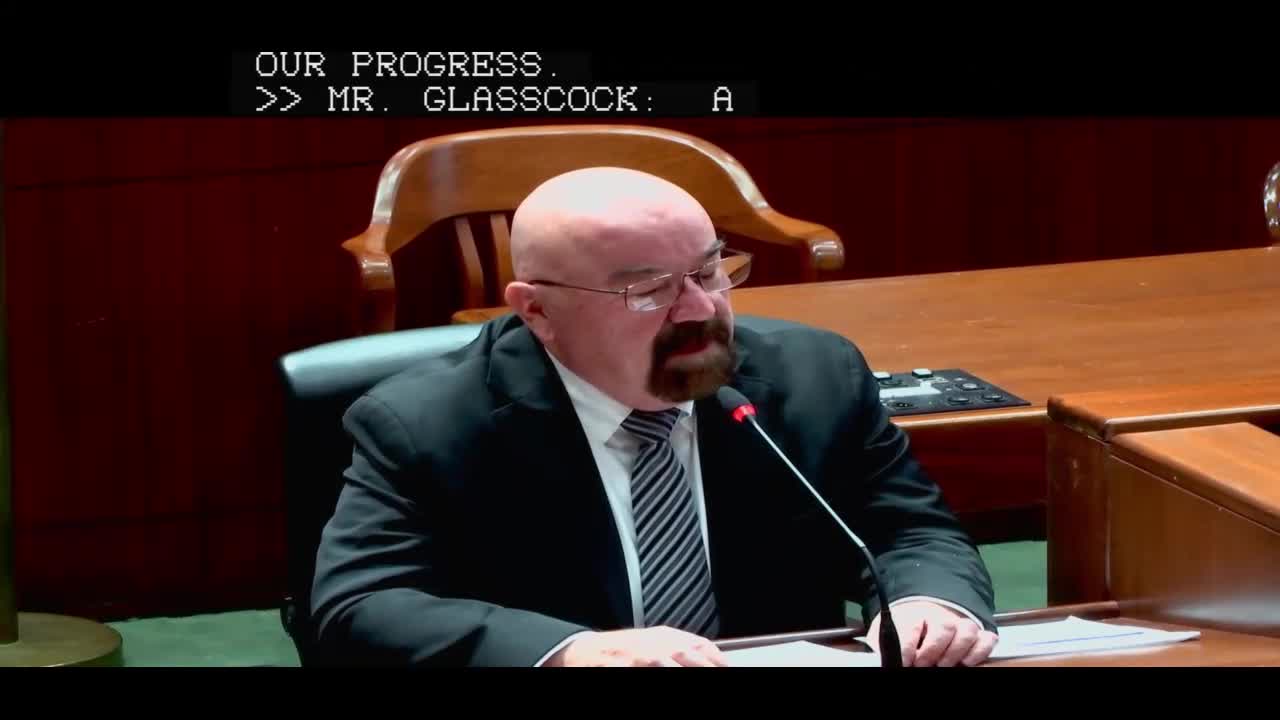
Kate, a staff member for Council Member Kamin, asked for an update on progress toward the city’s Climate Action Plan goal to convert nonemergency light-duty municipal vehicles to all-electric by 2030. Fleet Director Gary Glasscock said the city currently has 78 battery-electric vehicles and 772 hybrid vehicles.
Glasscock said the Climate Action Plan timeline and subsequent disruptions slowed deployment. He cited COVID-era supply-chain delays, limited manufacturer battery-electric offerings and several recalls affecting battery-electric models as constraints.
"We ran into all the supply chain issues and didn't get vehicles for quite a while," Glasscock said. "And then the vehicle manufacturers kind of, limited their battery electric offerings, and so we've dealt with that. And then we've gone through all the recalls on the battery electric vehicles as well, which has presented, somewhat of a roadblock."
He said the city generally restricts battery-electric vehicles to administrative uses because charging infrastructure and operational needs during disaster response can limit the vehicles' effectiveness. Glasscock noted that hybrids and electric vehicles have been useful during recent disaster responses where fuel access was a concern.
The director said staff evaluate vehicle purchases using total-cost-of-ownership models that consider purchase price, fuel savings and residual value, and that capital funding constraints often prioritize replacement vehicles for emergency response and solid waste departments.
Committee members raised questions about model selection and procurement constraints. Glasscock said the department has purchased hybrids and some Toyotas (Camrys and RAV4 hybrids) in the past year and that cost, application needs and residual value factor into purchase decisions.
No council action occurred during the workshop; council members suggested follow-up reporting on EV adoption and infrastructure needs as part of ongoing budget deliberations.