Get Full Government Meeting Transcripts, Videos, & Alerts Forever!
Get email alerts on the School Budget topic
No spam. Unsubscribe anytime.
Elizabethton board approves 2025–26 budget with minimum raises, eliminates several positions
Summary
The Elizabethton City Board of Education approved the 2025–26 budget at its May meeting, endorsing a minimum 2.6% increase for teachers and a minimum 2.5% increase for classified staff and eliminating several positions that had been funded by temporary grants or special allocations.
The Elizabethton City Board of Education approved the 2025–26 budget at its May meeting, endorsing a minimum 2.6% increase for teachers and a minimum 2.5% increase for classified staff and eliminating several positions that had been funded by temporary grants or special allocations.
The budget matters because it sets pay, staffing and classroom resources for the coming school year and reflects changes to one-time federal and grant funding that the district had used in prior years. Board members and district staff said the package reduces the district’s general-purpose fund while preserving raises for existing staff.
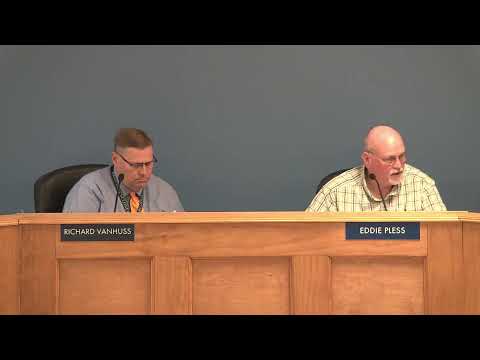
Director of Schools Mike Van Huss opened the budget discussion and asked finance staff to explain details. “That will allow us to adjust our books to accurately reflect what is approved by the state without having to go through three months of our amendment and two readings with the city,” finance staff member Cindy Wilson said, describing a separate resolution the board approved that ties the district’s federal projects budgets to the state ePlan approval process.
Wilson told the board the general-purpose portion of the budget is roughly $2 million lower than the prior year; much of that change reflects the end of capital set-asides and the expiration of grant-funded positions. The budget document presented to the board also lists proposed retirement contribution rates and proposed health insurance amounts.
Board members acknowledged the budget was difficult to assemble and thanked city officials for additional funding negotiated earlier this spring. Van Huss said the extra city contribution helped limit job losses. “They helped us save some jobs,” he said.
Key budget and staffing details discussed at the meeting: - A minimum 2.6% raise for teachers and a minimum 2.5% raise for classified staff; board documents and discussion noted that teacher pay steps since 2021 have increased about 29.3% overall. - Elimination of five full-time substitute-teacher positions that had been added during COVID as school-year coverage (staff count and effect discussed by Wilson and Van Huss). - Loss of tutoring positions that had been funded through the Niswonger Foundation and related state allocations; Wilson said full-time tutors hired for the three elementary schools will not continue because the grant funding is no longer available. - The district emphasized the budget is “streamlined” for the coming year and that other cuts were kept to a minimum.
Board action and related votes - First reading of board policy 5.602 (staff time schedules): motion approved unanimously (motion/second noted, no recorded dissents). - Resolution tying federal projects budgets and amendments to the state ePlan process: approved unanimously. - Adoption of the 2025–26 Elizabethton City School budget: approved unanimously. - Acceptance of the resignation of board member Daniel Quinn (effective immediately): approved unanimously; the board discussed the process to fill the unexpired term, with a deadline for letters of interest at noon one week after the meeting and a planned special meeting May 30 to appoint a replacement for the term ending Nov. 30, 2026. - Motion to move the June board meeting from Thursday, June 19 to Tuesday, June 17 (to observe Juneteenth): approved unanimously.
The board and staff stressed the difference between ongoing local revenue and one-time or grant funding. Wilson said aligning federal-project budgets to state approvals reduces bookkeeping delays for principals and budget managers. Van Huss and several board members thanked the city council for additional operating support negotiated this spring; Van Huss said that allocation represented roughly one-third of the property-tax increase the city considered and that it reduced the number of staff cuts the district otherwise would have faced.
The board did not provide a single total dollar figure for the entire budget in public remarks other than line-item information in the budget packet; the board vote was unanimous on the budget and related routine items. The board also authorized staff to begin the vacancy appointment process for Daniel Quinn and set a schedule for candidate submissions and a special appointment meeting.
What’s next: the district will publish the approved budget documents and will present federal projects and any related amendments through the consent agenda going forward. Staff said they will continue to monitor state and local revenue streams and return to the board if additional adjustments are required.