Get Full Government Meeting Transcripts, Videos, & Alerts Forever!
Get email alerts on the Mini Grant topic
No spam. Unsubscribe anytime.
HRIC proposes pilot mini-grant program to fund local inclusion projects
Summary
Committee member Sarah Octavio O'Brien presented a draft proposal for a mini-grant program that would use HRIC funds to support community-led projects that advance inclusivity; members asked for written feedback by June 2 before a final proposal in June.
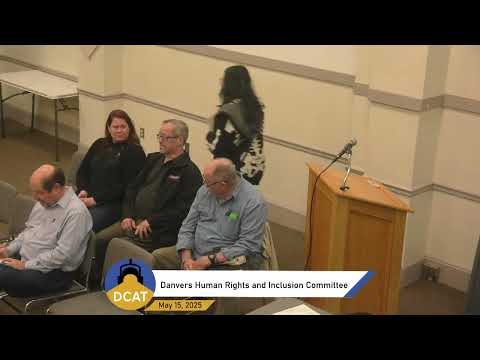
Sarah Octavio O'Brien, presenting as a member of the Danvers Human Rights and Inclusion Committee (HRIC), introduced a draft proposal to create a mini-grant program that would allocate committee funds to community members and local organizations for projects advancing inclusivity and cultural awareness.
The proposal, described by O'Brien as a draft for discussion, outlined an application process, eligibility parameters and an example award size of $750. O'Brien said the inaugural application deadline could be Sept. 15, 2025, with eligible applications reviewed and put to a committee vote at the HRIC’s January meeting.
Why it matters: committee members said the mini-grant model could extend HRIC’s mission into the community by funding small, locally run efforts such as school- or neighborhood-based programs, public education projects or other initiatives that "amplify marginalized voices," as O'Brien put it.
Key proposal elements: the draft application would ask applicants to describe the project, explain how it fulfills HRIC goals, estimate how many people will be impacted, and outline plans to assess or reflect on impact. O'Brien proposed an initial award amount in the range of $750, but said the final amount would depend on HRIC’s available funds.
Committee questions and next steps: several members asked whether grantees should be required to credit HRIC as a funder and whether current committee members or elected officials would be eligible to apply. O'Brien said she expected the program would prioritize outside applicants and that applicant eligibility and attribution language could be added to the final proposal.
Timing and comment period: the HRIC chair asked members to submit suggestions in writing by June 2; O'Brien and collaborators said they would incorporate feedback and bring a revised proposal to a June meeting for further discussion and potential approval.
Funding source and scope: O'Brien said award funds would come from HRIC accounts and that the number of grants awarded would depend on the final award size and total funds available. Committee members referenced other town programs with similar small-grant models and indicated interest in coordinating eligibility and promotion through schools and community groups.