Get Full Government Meeting Transcripts, Videos, & Alerts Forever!
Get email alerts on the State Budget topic
No spam. Unsubscribe anytime.
Minnesota leaders announce bipartisan budget targets, leave about $2 billion reserve
Summary
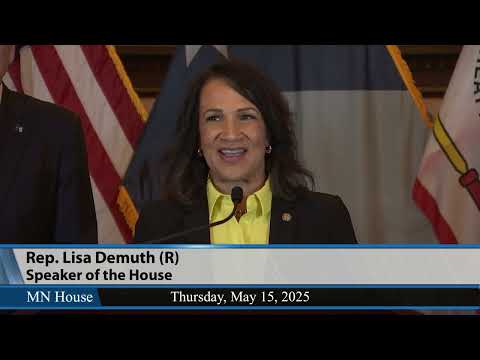
State leaders from both parties released a set of bipartisan budget targets intended to balance the 2025–27 biennium, reduce projected long‑term deficits and leave about $2 billion on the bottom line while sending spending and revenue targets to conference committees.
Minnesota legislative leaders and the governor on Tuesday announced a bipartisan set of budget targets they said will balance the first biennium of the 2025–27 budget and reduce structural deficits in later years, leaving roughly $2,000,000,000 on the bottom line.
The leaders said the targets include nearly $5,000,000,000 of reduced spending from one biennium to the next in top‑line measures, and that the agreement erases roughly 90% of a previously projected deficit in the second biennium and reduces certain projected structural imbalances by about 45% in the first year.
Why it matters: the agreement is a roadmap for conference committees to write the bills that implement those targets. With the legislature narrowly divided, top lawmakers said the process—getting both sides into the same room and hashing out targets—was essential to avoid a prolonged stalemate and to keep state government funded.
Details and next steps: leaders said the targets are now with committee chairs and conference committees, which will craft bill language and votes on individual proposals. House and Senate leaders signaled a hope of finishing floor work by the end of Monday or calling a one‑day special session before Memorial Day, saying the timetable is slightly ahead of a similar 2019 process. Bonding discussions were described as separate work that will continue after targets are finalized; leaders said bonding chairs have been touring the state and that the current plan under discussion would allow roughly $700,000,000 in bonding work, but exact numbers and projects remain to be decided by the chairs.
Officials stressed caveats: leaders and the state budget director warned that federal actions—specifically proposed federal Medicaid changes—could change the state outlook and force lawmakers back to revisit the budget. They also said the targets are top‑line net numbers; the ultimate size of individual agency budgets depends on how conference committees allocate cuts and revenues.
What leaders said: in prepared remarks the governor said, “the process itself matters,” and Senate Majority Leader Erin Murphy said Minnesotans expect elected officials to reach compromise. House leaders described the deal as difficult but necessary and said they were leaving detailed bill work to committees and conference negotiators.
Fiscal context: officials said the February forecast showed larger deficits that the targets substantially narrowed. Budget office figures supplied at the press event described an approximately $1,800,000,000 combination of spending reductions (and some small revenue increases) that together produced the reduction in the longer‑term negative balance; the governor said the state will still leave about $2,000,000,000 in reserve in the first biennium.