Lifetime Citizen Portal Access — AI Briefings, Alerts & Unlimited Follows
House committee reviews PC 602 to offer discounts on traffic fines; fiscal impact analysis requested
Loading...
Summary
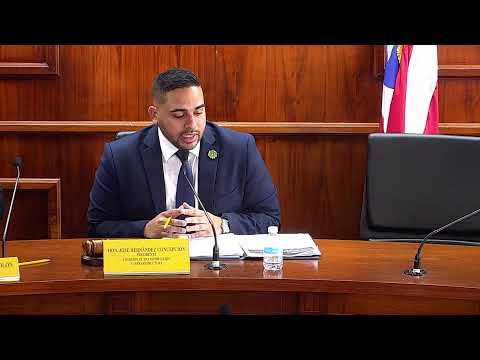
The House of Representatives Transportation and Infrastructure Committee opened its meeting at 9:17 a.m. to consider Proyecto de la Cámara 602 (PC 602), a bill that would create discounts for motorists who pay outstanding traffic fines and certain toll-related administrative charges.
The House of Representatives Transportation and Infrastructure Committee opened its meeting at 9:17 a.m. to consider Proyecto de la Cámara 602 (PC 602), a bill that would create discounts for motorists who pay outstanding traffic fines and certain toll-related administrative charges. The measure, as described by DTOP, would grant a 35% discount on the principal debt when paid in full and eliminate (100% discount) accrued interest, surcharges and penalties for full-payment cases; those who enter a payment plan would receive a 50% discount on interest, surcharges and penalties.
The proposal would allow a citizen who pays the full principal to renew a driver’s license without restriction, while motorists on a payment plan would receive a provisional license valid only until the plan is completed, DTOP said. The bill sets a regulatory timeline: the payment-with-discount window would be 90 days from the effective date set in the implementing regulation (the committee and agencies discussed whether that should instead be 180 days).
Why it matters: witnesses and committee members said PC 602 could help people with lapsed licenses and recover revenue that is currently recorded as accounts receivable, but they also warned the measure could reduce near-term government receipts. Roberto Rivera Cruz of the Fiscal Agency and Financial Advisory Authority (AFAF) told the committee that approval should be accompanied by a rigorous fiscal impact analysis and review by the fiscal oversight board under PROMESA to ensure consistency with the certified fiscal plan. "Es esencial que se realice un análisis de impacto fiscal presupuestario y económico riguroso antes de su aprobación," AFAF said during its presentation.
DTOP presentation and caveats: Marco García, secretario asociado at the Department of Transportation and Public Works (DTOP), described the bill and asked the committee to clarify drafting points. DTOP said the bill should explicitly state that toll amounts (peajes) must be paid in full and that municipal fines are outside the bill’s scope — the draft would apply only to state-level fines. DTOP also noted that no new AutoExpreso penalties have been issued since April 2022 but that outstanding AutoExpreso fines from the earlier enforcement period would be eligible under the bill, with the toll portion payable in full even if the administrative fine is discounted.
Fiscal concerns and prior examples: AFAF and other witnesses flagged fiscal and certification risks under PROMESA. AFAF recounted prior legislative efforts addressing fines and amnesties (PC 17-38 and a prior amnesty in 2019), noting those precedents showed potentially material impacts on government collections. The committee heard several data points offered by witnesses: DTOP reported an estimated 129,000 outstanding tickets totaling about $53,000,000 (figures cover the period from February 2022 to the present, per the record), and members noted that a 2019 amnesty collected roughly $44.5 million and benefited about 152,000 people. AFAF urged the committee to require a formal fiscal-impact report from the appropriate budget office and to secure review and, if necessary, approval from the fiscal oversight board before moving the bill forward.
Operational and equity questions: committee members and agency witnesses discussed implementation details that would affect how many people benefit and how collections change. Topics included whether the discount applies to the total fine amount for payment plans (DTOP recommended clarifying the percentage applied to the fine principal versus only to interest and penalties), how motorists would learn about the program (public outreach was raised), whether the regulatory period should be 90 or 180 days, and how AutoExpreso users who lack digital access would be notified or be able to check balances (DTOP cited planned push notifications, email and text communications and in-person balance/check lanes operated by Metropistas).
Next steps: no formal committee vote was taken at the hearing. Committee members directed staff to obtain additional data and analyses: DTOP and other agencies were asked to supply written details within five business days, including breakdowns by driver-vs-vehicle fines, historical collections from accounts receivable over the past three budgets, and the number and value of tickets paid within 30 days versus later. The committee chair scheduled an executive meeting that will convene the agencies AFAF, DTOP, Hacienda and the Office of Management and Budget (and the fiscal oversight board’s reviewers) for a joint session; the chair said agencies excused from this hearing must attend the follow-up meeting. The committee indicated it supports continued study and intends to work with agencies on technical edits and the required fiscal documentation prior to any final action.
Closing: Committee members expressed support for the policy goal — helping residents clear debts and regain licenses — while cautioning that the bill’s fiscal effects must be quantified and reconciled with the certified fiscal plan. The hearing record shows a combination of operational clarifications requested from DTOP and a central demand from AFAF for a certified fiscal-impact review under PROMESA before the measure moves forward.