Get Full Government Meeting Transcripts, Videos, & Alerts Forever!
Get email alerts on the Environmental Enforcement topic
No spam. Unsubscribe anytime.
Cease-and-desist issued after large clearing near Wells Hollow Brook; commission, conservation officials press for erosion controls
Summary
Shelton zoning staff issued a cease-and-desist for clearing and grading near a brook at the Crown 0.2 LLC site on Bridgeport Avenue after residents reported muddy water and visible tree removal; staff requested an immediate soil-stabilization plan, and conservation officials say state stormwater permits may be required.
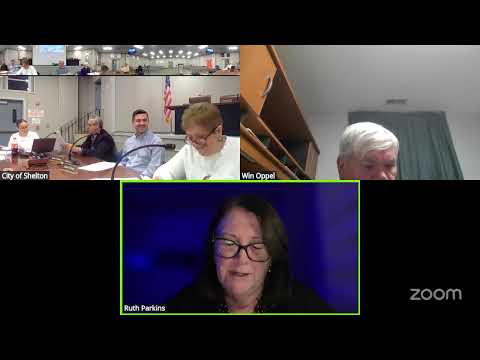
Shelton zoning staff issued a cease-and-desist order on May 13 for earthwork and tree removal at the site proposed for a planned development district at Bridgeport Avenue and Long Hill Cross Road, a zoning officer told the Planning and Zoning Commission on Wednesday.
Ron Baez, Shelton’s zoning and wetlands enforcement officer, told the commission the order followed visible clearing and grading along Wells Hollow Brook that produced muddy water running downstream and prompted multiple complaints. “Yes. We did issue a cease and desist yesterday,” Baez said during the meeting, adding that staff and the applicant had discussed limiting work to installing a sewer line but that clearing on other parts of the parcel had continued.
Baez said staff met with the applicant and lawyers and agreed the developer would submit a soil-stabilization / erosion-control plan prepared by a soils scientist; the plan was to be routed to the developer’s counsel for forwarding to staff. He asked the developer to provide a status update by the end of the day Friday and said he expected the soils plan by the following Wednesday. Baez said the goal of any short-term work allowed while the matter is resolved would be to stabilize the brook and remove obvious debris without further disturbance.
Conservation Commission chairman Thomas Harbinson, who attended the meeting, said state rules require additional permitting once regrading or stump removal exceeds an acre. “Anytime that there is significant regrading of a property in excess of 1 acre, you're required to receive from the state of Connecticut DEP a stormwater discharge permit for construction,” Harbinson said. He told the commission he had checked the state e-file system and contacted state officials, who told him no construction stormwater permit had been applied for or issued for the site.
Harbinson and other speakers also noted the land’s status with the state Department of Transportation: state staff told the conservation chair the parcel had been offered to the city under a right of first refusal; if the municipality does not respond within the statutory period the DOT may proceed. Harbinson urged staff and counsel to confirm ownership and whether permits were sought on property the applicant did not yet own.
Commissioners and staff discussed enforcement levers, including calling the development bond and asking corporation counsel about raising the posted bond. Commissioner Kelly asked whether staff had considered increasing the bond; staff and the commission said they would discuss that with corporation counsel. Several commissioners said the commission could not reward what they described as premature or unapproved clearing and said swift stabilization was necessary to protect the brook and neighboring agricultural land.
Miss Castro (planning staff) told the commission the office had been coordinating with state agencies and that staff had requested the developer stop work; Baez reported the developer continued some activity after earlier requests, prompting the cease-and-desist.
Why it matters: Residents reported discolored water reaching downstream past occupied farmland, and conservation officials warned that the disturbance exposed soil that could discharge to the brook in heavy rain events. The episode raises unresolved questions about permit jurisdiction, the timing of property transfer, and the adequacy of the development bond to cover corrective work.
What’s next: Staff asked the applicant to submit a soil erosion / stabilization plan via counsel for staff review, requested a status confirmation by Friday, and said they will consult corporation counsel about whether to increase the posted bond or take additional enforcement action. No new construction will be permitted until the plan and any approvals are in place.