
Nash Community College outlines $3M+ county ask, $22M health‑science goal and rising maintenance costs
Get AI-powered insights, summaries, and transcripts
Sign Up Free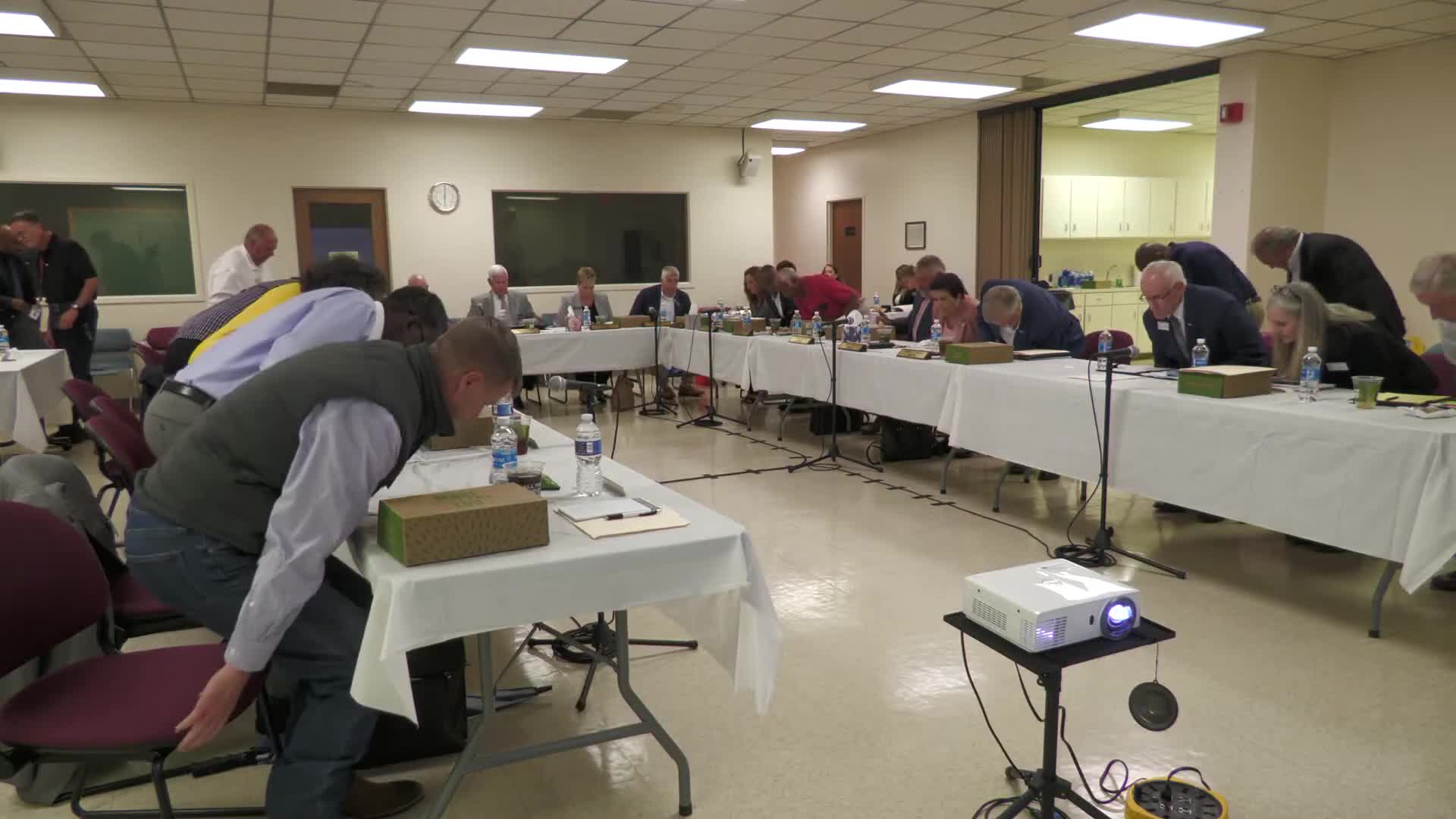
Summary
Nash Community College presented its 2024–25 budget request to Nash County commissioners on May 14, asking the county to help start a proposed $22 million health‑sciences building and to support a contingency fund and capital maintenance plan as elevator and deferred‑maintenance costs rise.
Nash Community College President Lou Honeycutt told Nash County commissioners and school officials on May 14 that the college is asking local government partners to help launch a multi‑year effort to address deferred maintenance and expand health‑career training. Honeycutt said the college’s top capital priority is a proposed health sciences building that he described as a $22,000,000 project that would create a large new facility to house nursing, medical assisting and related programs.
The health sciences building, Honeycutt said, would also create a permanent campus home for City High and relieve current space constraints. "When I move my programs, nursing, med assist, physical therapy, c n a into the new Health Sciences Building, then City High becomes permanently housed in our nursing wing," Honeycutt said. He asked the county to consider a starter contribution of $3.5 million to begin the project.
Nut graph: The college framed the request as part of a broader seven‑year capital improvement plan submitted to the county in December 2024. Administrators emphasized two parallel needs: immediate repairs and replacements for aging systems (including a 38‑year elevator that staff said needs extensive work) and longer‑term capacity expansion to meet rising enrollment and the needs of joint programs with the public school system.
Details: Chief financial officer Carol Dornseif reviewed the college’s budget drivers. The college proposed a roughly 9% increase in operating budget overall and a capital upgrade (year 1 of a seven‑year strategic plan) that Dornseif said amounts to about $417,005 for the first year of identified maintenance priorities. Dornseif said contractor and utility cost pressures are drivers, including a large increase in contracted security (she cited the hourly contracted security rate rising from $30 to $50) and a higher elevator replacement quote received just before the meeting.
Honeycutt described recent debt‑free campus projects — a veterinary medical technology annex and a driver training center on 14 deeded acres — and credited county support and state capital funds. He also reported continued enrollment growth: more than 22,000 students served in the 2024–25 year to date, up from 20,717 in the prior full year.
Commissioners pressed on details. Commissioner Davis asked how the $417,005 first‑year figure fits into the seven‑year plan; Dornseif recited the subsequent years’ amounts in response and said the seven‑year total was submitted to the county. Commissioner Bellfield asked whether the college needed the new building; Honeycutt said college and City High enrollment and program needs make additional permanent space necessary.
Ending: Honeycutt and Dornseif left commissioners with materials and told them the college is pursuing state and federal grants and a capital campaign alongside any county support. "We are focused on the future," Honeycutt said. "We are initiative rich and we are initiative rich to support learners."