Get Full Government Meeting Transcripts, Videos, & Alerts Forever!
Get email alerts on the Municipal Budget topic
No spam. Unsubscribe anytime.
Greenville City holds FY26 budget workshop; millage stays at 81.4 mills, targeted increases for public safety and housing
Summary
Greenville City staff presented a proposed fiscal 2026 budget at a council workshop, keeping the millage rate unchanged at 81.4 mills while proposing targeted increases for public safety staffing, affordable housing and several capital projects, staff said.
Greenville City staff presented a proposed fiscal 2026 budget at a council workshop, keeping the millage rate unchanged at 81.4 mills while proposing targeted increases for public safety staffing, affordable housing and several capital projects, staff said.
The proposed general fund budget totals about $150 million, with police and fire accounting for the largest shares. City presenters emphasized investments to recruit and retain public-safety staff, equipment and communications upgrades, and new or expanded capital work including restroom renovations, a downtown ambassador program and an overhaul of the Riverplace Fountain.
City presenter Shannon summarized the spending priorities and schedule, saying the budget will go to first reading and a public hearing on May 12 with final adoption planned for May 19. “Competitive pay is fundamental to attracting qualified candidates and retaining experienced officers,” Shannon said, describing proposed increases for police staffing and equipment. She also said the city will add personnel to the fire department, complete radio upgrades and finalize designs for a new fire station.
Why it matters: the budget preserves the city's current millage rate while drawing down some fund balance and directing new resources to housing, public safety and mobility projects. Staff said the city expects to use a portion of available fund balance this year and is leveraging reimbursements and available project balances to manage costs.
Key budget highlights and details
- Public safety: The proposal increases police ranks and funding for patrol equipment and adds a recruit training officer in the fire department. Shannon said radio upgrades for both emergency services and public works are included to meet a 2027 support deadline for communications software.
- Downtown and public amenities: The budget includes funds for a downtown ambassador program (contractor selection deadline May 1), renovation of high-use public restrooms including Falls Park and the Peace Center, and a Riverplace Fountain overhaul. Staff said the fountain work will be managed through the parking fund with a transfer from local accommodations tax; Patricia noted a planned transfer of roughly $900,000 to support the fountain overhaul.
- Public works and solid waste: The city plans to staff its two recycling drop-off sites during set hours to reduce vendor haul frequency and lower operational costs. The budget also includes purchase of an air curtain burner, which staff said will reduce the city’s annual yard-waste disposal cost—currently $234,000—by approximately $161,000 annually, with a projected return on investment of about 16 months.
- Mobility and transit: The traffic management center will be used to improve on-time transit performance, maintain key routes with Saturday service and 30-minute frequency on four routes, and support traffic-calming work in neighborhoods. Council members and the mayor discussed the city’s role vs. county participation for GTA service funding and whether some existing trolley services should be rethought.
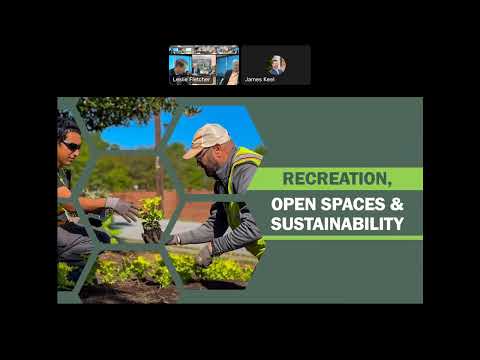
- Recreation, trails and parks: Staff confirmed staffing additions for Unity Park and said the city is launching a study for an extension of the Swamp Rabbit Trail orange line to better serve the North Main neighborhood. The budget adds funds to begin design for an orange-line connection and includes a $1.5 million allocation this year toward the planned wheel park.
- Affordable housing and homelessness: Shannon said the various line items and land-purchase accounts add up to more than $10,000,000 in the FY26 budget aligned to affordable housing, including a $2,500,000 CIP line and a $500,000 allocation for homelessness initiatives. She said some land purchases are listed in the CIP but their locations are not specified because they are under negotiation and protected as real-estate transactions. Council member Dworkin said he supports the funding but voiced concern about ensuring funds are used for their intended purposes.
- Revenues, fund balance and other funds: The city reported an expected available fund balance of about $7.679 million at year end and a planned use of surplus of roughly $4 million as the budget moves toward a more zero-based approach. Staff reported receiving a first FEMA reimbursement check of about $3.7 million for prior storm damage. The city noted it remains AAA-rated by major bond rating agencies.
- Fees and enterprise funds: Patricia and other staff described proposed modest fee adjustments tied to the February 2025 Consumer Price Index: a 3.1% increase proposed for wastewater and stormwater fees, and a $3 monthly increase proposed for the solid-waste fee. Patricia gave example impacts: the stormwater change would add approximately $1.40 to $2.46 per year on property-tax bills depending on parcel classification; wastewater impacts vary by meter size and consumption. The parking, zoo and other enterprise funds were described as largely self-supporting; staff noted planned capital spending for garage repairs and other enterprise needs.
Council questions and next steps
Council members asked for clarifications on how some line items are reflected in the budget document (for example, previously appropriated projects versus new appropriations), the timing and scope of ATAX (accommodations tax) awards, and the interaction of county budgets with city transit plans. Patricia and other staff agreed to follow up with clarifying figures and to provide additional detail where projects were grouped across funds.
Shannon reiterated the calendar for the budget: first reading and public hearing on May 12, and final adoption on May 19, and asked council for feedback prior to the public hearing.
Ending note: Staff characterized the FY26 budget as prioritizing public safety, housing and mobility while holding the millage steady. Council members signaled support for many priorities and requested follow-up detail on fee impacts, capital balances and the administration of homelessness and ATAX-funded programs.