Get Full Government Meeting Transcripts, Videos, & Alerts Forever!
Get email alerts on the Un Peacekeeping topic
No spam. Unsubscribe anytime.
Senior U.N. official urges member states to strengthen peacekeeping amid rising conflicts
Summary
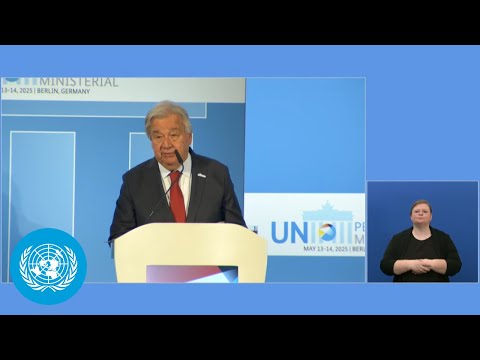
At a ministerial meeting in Germany, a senior United Nations official said peacekeeping must be reshaped for new challenges, called for a review of peace operations, more flexible use of resources and political pledges from member states.
A senior United Nations official speaking at a ministerial meeting hosted by the Federal Republic of Germany urged member states to strengthen U.N. peacekeeping, saying operations face mounting conflict, misinformation, climate-driven instability and chronic funding shortfalls.
The official said the U.N. — marking its 80th anniversary this year — must adapt peace operations to be more flexible and fit for the future by tailoring deployments to individual conflicts, updating tools and working more closely with regional partners. "UN blue helmets are the most globally recognized symbol of the world's ability to come together to help countries move from conflict to peace," the senior United Nations official said.
Why it matters: The official warned that the world is facing the highest number of conflicts since the United Nations' founding and a record number of people fleeing across borders, and said peacekeeping is strained by limited political support and finances. The official noted that 4,400 peacekeepers have died in the line of duty and that peacekeeping is financed by assessed contributions from the U.N.'s 193 member states.
The official outlined three priorities. First, a review of peace operations (called for under the Pact for the Future) should propose how to make operations more adaptable, flexible and resilient and recommend concrete tools for the future. "The review will examine how we can make peacekeeping operations more adaptable, flexible and resilient while recognising the limitations in situations where there is little or no peace to keep," the official said. The speech referenced recent adaptations in existing operations, including an adaptation plan for United Nations work along the Blue Line in southern Lebanon and efforts to protect civilians in the Central African Republic and the Democratic Republic of the Congo.
Second, the official said the U.N. must use resources more flexibly and update rules and processes — from establishing or abolishing positions to working with troop-contributing countries — so mandates are achievable with available resources and clear exit strategies. The official said partnerships, notably with the African Union, are important and cited "Security Council resolution 27 19" (as stated in the ministerial remarks) as lifting the partnership to a new level.
Third, the official sought political support from member states through pledges, leadership and implementation of privileges and immunities for U.N. personnel. "It is absolutely essential that all member states respect their financial obligations, paying their contributions in full and on time," the official said, adding that peacekeeping represents about "half of 1 percent" of global military spending but is a cost‑effective tool for international peace and security.
Discussion and direction: The speech framed the review and efficiency drive as initiatives that will require member-state leadership and input; it called for concrete pledges at a follow-on session the next day. The remarks described operational challenges (targeting of peacekeepers, misinformation, terrorism, transnational crime and climate impacts) and urged member states to support clear, prioritized mandates and adequate logistical and financial backing.
No formal votes or binding decisions were recorded in the transcript of these remarks. The ministerial address asked member states to provide ideas and pledges to inform the ongoing review of peace operations and associated initiatives.
Examples and context: The official cited countries that have achieved durable peace with U.N. support — Cambodia, Cote d'Ivoire, El Salvador, Liberia, Namibia, Mozambique, Sierra Leone and Timor Leste — and pointed to ongoing U.N. roles in southern Lebanon, the Central African Republic and the Democratic Republic of the Congo as illustrations of current challenges and adaptations.
Looking ahead: The official said the review of peace operations will be informed by member-state views and will work with efficiency efforts (referred to in the remarks as the "UNAT initiative") to maximize results in an era of constrained funding. The speech closed by urging timely payment of assessed contributions and political backing for peace operations.