Get Full Government Meeting Transcripts, Videos, & Alerts Forever!
Get email alerts on the Z25 08 South Garland Rezoning topic
No spam. Unsubscribe anytime.
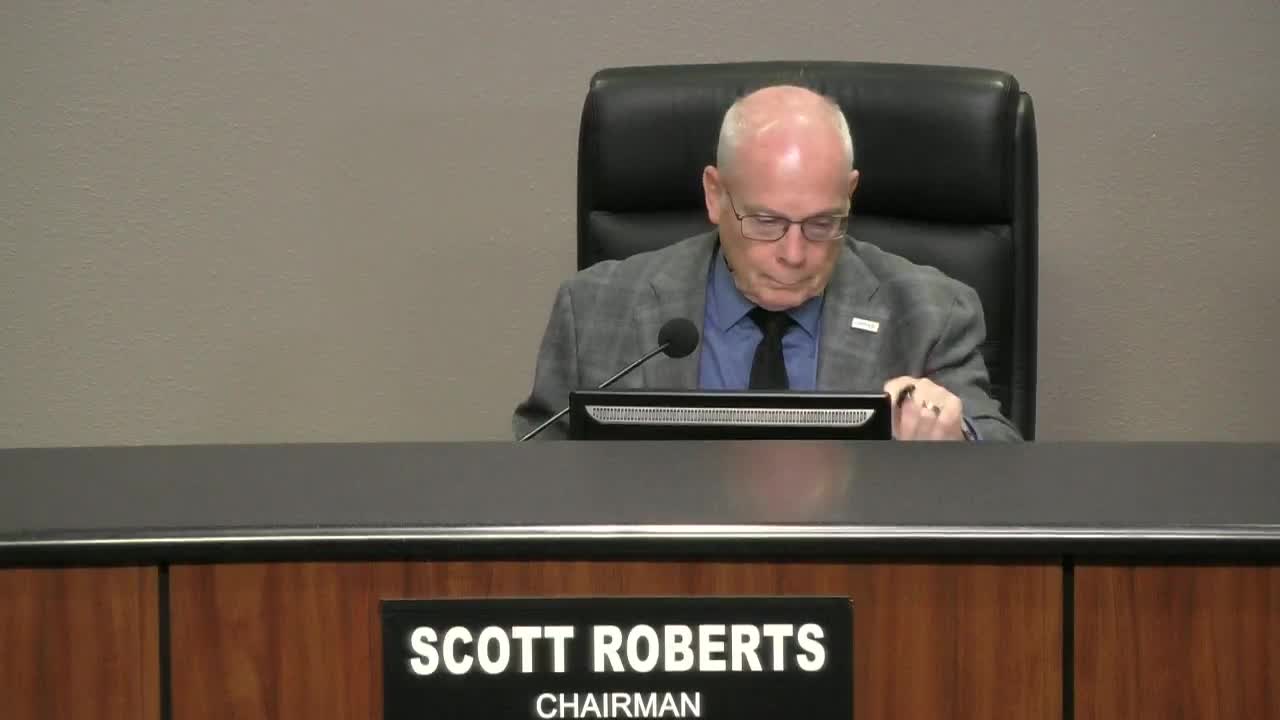
Plan Commission denies city-initiated rezoning of 317-acre South Garland area after wide public opposition; commissioners call for more outreach
Summary
The Garland Plan Commission voted unanimously to deny a city-initiated rezoning of roughly 317 acres along South Garland Avenue, directing staff to conduct more outreach and rework the proposal after widespread public opposition and concerns about notice, nonconforming uses, and infrastructure.
The Garland Plan Commission on May 12 rejected a city-initiated rezoning proposal that would have redesignated about 317 acres north of I-635 along both sides of South Garland Avenue to Urban Residential (UR) and Urban Business (UB). The commission voted unanimously to deny the application and asked staff to pursue more outreach and study before bringing a revised proposal back to the commission.
City staff introduced the rezoning as a policy tool intended to implement studies and small-area plans that identify the South Garland Avenue corridor as a catalyst area for mixed-use, transit- and pedestrian-oriented redevelopment. Staff said the rezoning would place UR/UB as base zoning to guide future redevelopment and ensure quality urban design is available as a tool where redevelopment opportunities arise. The packet and staff presentation noted ongoing infrastructure work (access improvements on U.S. 635) and DART interest in transit-oriented development near the transit station, which city planners said supported the rezoning idea.
But the public hearing produced a long list of objections from property owners, national businesses and residents. Speakers included representatives of major property holders and national tenants (Public Storage, CarMax, Racetrack, Pep Boys), long-time local business owners and residents. Testimony repeatedly cited limited notice, concern that many existing businesses would become legally nonconforming, potential inability to rebuild after a major loss, traffic and school-capacity concerns for adding dense housing, floodplain and drainage questions, and the lack of an identified catalytic development partner to lead the transformation. Several witnesses urged more community meetings and individualized discussion with property owners.
After closing the public hearing, Commissioner Duckworth moved to deny the rezoning request with direction for staff to re-engage property owners and neighborhoods and return with a revised approach; Commissioner Cornelius seconded. The motion passed unanimously. Commissioners said they supported the corridor's revitalization in principle but wanted a more phased and consultative approach that avoids abrupt nonconforming-status changes for long-standing local businesses.