Get Full Government Meeting Transcripts, Videos, & Alerts Forever!
Get email alerts on the School Meals Wellness topic
No spam. Unsubscribe anytime.
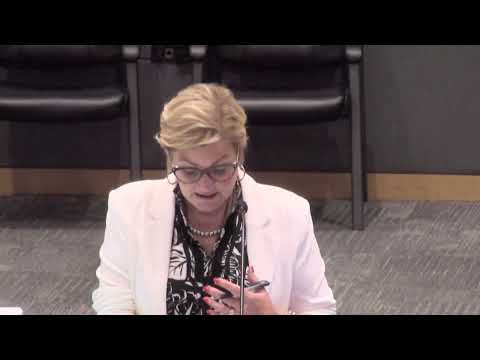
Oasis board acknowledges wellness policy; members press for stronger unpaid-meal safeguards
Summary
The Oasis Charter Schools governing board voted to acknowledge receipt of the district wellness policy and discussed student unpaid-meal procedures, including a district-run "Joe" donation account that staff use to cover meals when student accounts run low.
The Oasis Charter Schools governing board on May 13 acknowledged receipt of the district'wide wellness policy and spent significant time discussing the student unpaid-meal policy and the district'run "Joe" donation account that helps cover meals when family accounts are short.
Superintendent Jackie Collins told the board the food service department complies with National School Lunch Program requirements and that the wellness committee evaluated the plan in April and found the district in compliance. Collins said the district monitors calories, sodium and portion sizes, provides food-safety training for staff, and runs taste tests and student surveys to improve offerings. She said supply-chain issues and rising food costs remain a challenge.
Board members pressed staff on the unpaid-meal policy, which Collins described as allowing a student to charge two full meals, then two additional meals limited to a main dish and milk, and then two sandwich-and-milk meals after that. Collins said food-service leads regularly use the Joe donation account'funded by parent and community donations and leftover account balances'to avoid students going without full meals. She reported one Joe account held about $300 and another about $1,000 near the end of the school year.
One board member said she was uncomfortable with the idea that a student might receive a sandwich and asked staff to propose safeguards so that the sandwich provision would be used as a last resort. Collins and the food-service manager said in recent years the sandwich-only outcome has been rare because donations and outreach to families have generally covered shortfalls.
Collins also outlined existing communication steps: families are notified annually about the last week of school charging rules and can request refunds, roll funds to the following year, or donate remaining balances to the Joe account. She said food-service leads notify parents by email and phone when accounts are low.
The board discussed potential uses of new culinary equipment and whether culinary classes could offset some cafeteria costs; staff said the culinary program has a separate curriculum and is unlikely to be used extensively for the main cafeteria program, though future uses (for example, stadium concessions) will be evaluated.
Votes at a glance: Resolution 10-25 (acknowledge receipt of the wellness policy) was moved, seconded and approved by voice vote; the board recorded no roll-call tally in the transcript.
Board members asked staff to return with ideas at a future meeting about additional safeguards and outreach so that students would not receive reduced lunches and to provide any options for strengthening the unpaid-meal policy.
Background: Collins reminded the board that upcoming federal changes to nutrition standards (phased in by 2027) will require lower added-sugar and lower-sodium levels and that the district will incorporate those changes in future menu planning.