Get Full Government Meeting Transcripts, Videos, & Alerts Forever!
Get email alerts on the Public Transit Community Connector topic
No spam. Unsubscribe anytime.
Council reviews Community Connector budget as city funds majority share; cold-bus-barn and vehicle replacements included
Summary
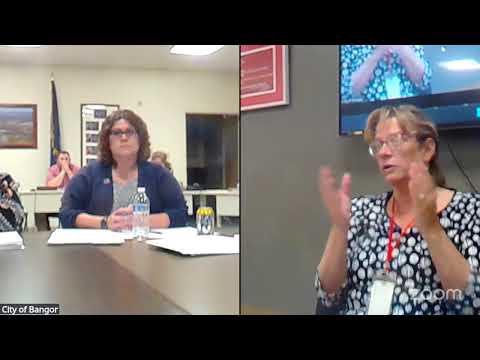
City staff presented the Community Connector operating and capital plan to the Bangor City Council, describing the fixed-route public-transit system and paratransit services that Bangor operates in partnership with Brewer, Hampden, Orono, Old Town and Veazie.
City staff presented the Community Connector operating and capital plan to the Bangor City Council, describing the fixed-route public-transit system and paratransit services that Bangor operates in partnership with Brewer, Hampden, Orono, Old Town and Veazie.
Staff said the system shows approximately $4.7 million in revenue against $6.4 million in expenses, leaving roughly a $1.4 million funding gap split among partner communities; the city covers about 61.52% of the system’s local share based on revenue-hour calculations. Officials said most operating-cost increases are personnel-related and that technology and contract software costs are rising as transit technology is expanded.
On the capital side, staff described a suite of projects including ADA vans and hybrid buses, transit-technology upgrades and the proposed rehabilitation of the so-called “cold bus barn,” an unheated storage and maintenance building that needs a new roof, HVAC upgrades, floor-drain work and a vehicle-wash replacement. Staff estimated the cold-bus-barn project’s total cost at about $9.7 million and said roughly 7.8% of that cost is currently covered by a federal grant; MaineDOT has agreed to contribute roughly $1 million toward the local share and the city has been building reserves for its portion.
Staff said federal funds typically cover about 80% of vehicle purchases, with local partners covering the remaining share. The presentation also included two new-program requests: an operations officer to strengthen administration and a phased approach to create some full-time transit driver positions to stabilize staffing. Councilors asked for ridership and ADA-paratransit usage breakdowns so they could evaluate cost-sharing versus usage.
Next steps: staff will provide ridership and ADA-paratransit data by community and detail the proposed reserve balances and local-match schedule so councilors can weigh operating versus reserve-funded local match decisions.