Get Full Government Meeting Transcripts, Videos, & Alerts Forever!
Get email alerts on the Personnel Vetting topic
No spam. Unsubscribe anytime.
Committee debates background checks for volunteer appointees; no county-wide policy adopted
Summary
The Appointment and Alignment Committee on May 13 debated whether to require criminal background checks for volunteer appointees to county boards and commissions after public comment raised concerns about intrusive screening.
A public comment speaker and committee members debated May 13 whether Ottawa County should require routine background checks for volunteer appointees to county boards, commissions and authorities. The committee did not adopt a county-wide policy during the meeting.
Becky Patrick, who identified herself as a resident of Allendale and a former state policy developer, urged the committee against routine background checks for volunteers unless those volunteers directly handle money or are responsible for vulnerable populations. "You would be hard pressed to find any state agency that conducts routine background checks for people who don't have either some type of responsibility for vulnerable populations or people that do not handle money or cash," Patrick said. She called broad checks intrusive and noted some application language had included a background-check acknowledgement on a posting that staff temporarily removed pending committee discussion.
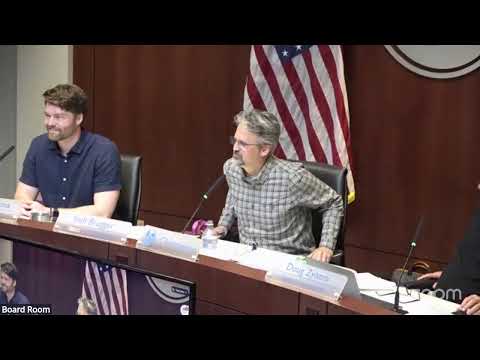
Commissioners and staff discussed several options: (1) require an application checkbox giving permission for a background check but only run checks for recommended or selected appointees, (2) run checks for boards that work directly with vulnerable populations (for example, CMH-related boards), or (3) not require checks and rely on removal authority and public vetting. Litigation counsel Doug Van Essen opposed blanket checks as invasive and said he saw limited justification absent direct contact with vulnerable populations or handling of cash.
Several commissioners said they are open to a middle-ground approach. One commissioner suggested keeping an application acknowledgment on postings but only running checks when an appointment is being finalized or when a board itself requests them. Committee members asked staff to gather additional information, including whether other counties require checks and which boards might need targeted screening.
No formal vote or ordinance change occurred; staff were asked to follow up and to report back with more information for future committee consideration.