Get Full Government Meeting Transcripts, Videos, & Alerts Forever!
Get email alerts on the Housing Inclusionary Zoning topic
No spam. Unsubscribe anytime.
Cambridge council orders faster review of inclusionary-zoning rules amid developer, neighbor pressure
Summary
After weeks of public comment from developers, housing advocates and neighbors, the Cambridge City Council voted to accelerate a review of the city’s inclusionary-zoning rules and return policy options by October 1, 2025. The council also directed staff to begin a longer, consultant-led update of the 2016 inclusionary study.
The Cambridge City Council voted unanimously to accelerate a review of the city’s inclusionary-zoning formula and return recommended options this fall, saying they want policy choices sooner rather than after a yearlong consultant study.
The order, adopted 9-0 after amendments, asks the city manager and Community Development Department to develop a timeline and produce “policy options” by Oct. 1, 2025, while the city also proceeds to commission a full update to the 2016 inclusionary housing study.
Why it matters: Inclusionary zoning requires developers to set aside a portion of new housing as affordable. After the council raised the inclusionary requirement in 2017, developers, housing advocates and neighbors have sharply debated whether the rule should be adjusted because of current construction costs and lending conditions. Council members said they wanted realistic options soon so projects already in the pipeline can move forward without long delay.
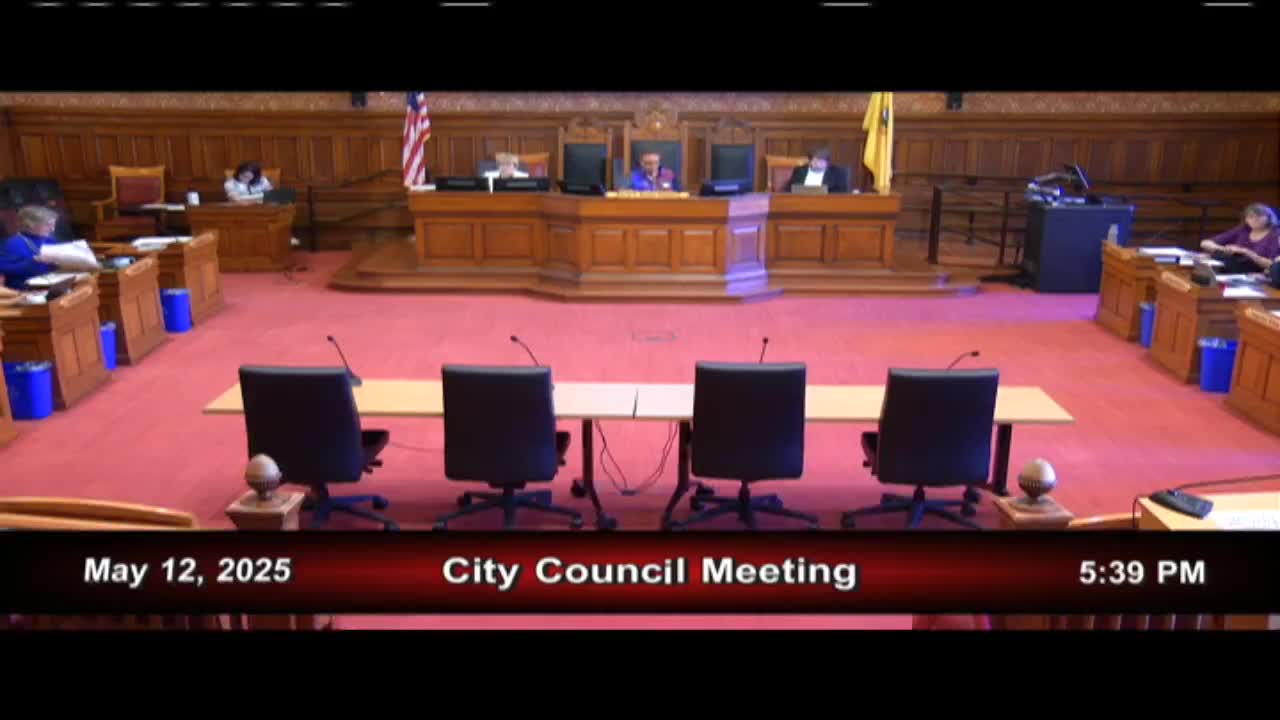
Public comment at the May 12 meeting included developers who said the 20% floor-area requirement makes some projects financially infeasible and neighborhood residents and housing advocates who said lowering the requirement risks losing affordable units and undermining recent upzoning.
Developer voices: Mike de Mella, identified as CEO of Charles Gator Development Advisory Firm, told the council that inclusionary rules “as currently structured are worsening” the housing slowdown and urged the council to consider lower requirements for some projects so housing is built. Dan Seaborg, managing partner of North Cambridge Partners, cited the city’s development log and said many projects listed as “current” are not under construction; he said “more than half” of the listed square footage is from a small number of very large projects years from delivery.
Advocates and neighbors: Housing advocates including Josh Zakem, executive director of Housing Forward Massachusetts, called for care in adjusting rules but agreed the city should study options and external economic conditions. Neighbors and housing-justice groups urged the council not to undermine the 20% expectation that underpinned recent zoning changes. “You owe it to the voters to see if what the city estimated in consultation with developers happens before considering changing the rules of the game,” said Marilyn Majid of Cambridge Housing Justice Coalition.
What the council asked staff to do: The city manager and Community Development Department will (a) prepare high-level policy options and legal analysis for the council by Oct. 1, 2025; (b) procure and start a consultant-led update to the 2016 inclusionary study (economic feasibility, legal review and socioeconomic diversity analysis) as soon as FY26 funding allows; and (c) include recommendations explaining any proposed changes and the rationale if the study concludes changes would be required to meet the city’s housing goals.
Vote and next steps: Councilors voted to amend the council order to tighten timelines and to require staff to include specific recommendations and rationale if changes to percentages are recommended. The council placed the amended item on file by unanimous vote of nine members. The longer consultant study will still proceed; the accelerated policy-return date is intended to give elected officials options for action early enough to influence projects now in the pipeline.
Ending: Council members and staff said the two-track approach — an expedited set of policy options plus a full consultant study — is intended to let the council respond to immediate development risks while preserving the more detailed analysis needed for major zoning changes.