Get Full Government Meeting Transcripts, Videos, & Alerts Forever!
Get email alerts on the Code Enforcement Trash topic
No spam. Unsubscribe anytime.
Resident presses council on enforcement of trash-can and erosion rules; council and staff outline enforcement steps and penalties
Summary
Resident Dan Coomer urged the council to enforce the town's trash-can and erosion/silt-fence ordinances. Staff described current enforcement procedures, the sanitation billing structure, and the existing fine schedule for repeated trash-can violations.
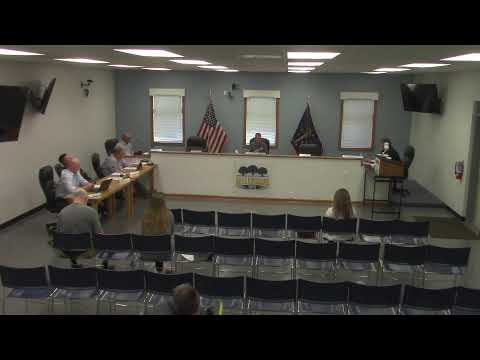
Resident Dan Coomer used the public-comment period at the Aug. 12 Sellersburg Town Council meeting to press council members and staff on enforcement of the town’s silt-fence, erosion controls and the trash-can ordinance. Coomer said ongoing violations — for example, trash cans left on sidewalks for extended periods — have affected neighborhood quality of life.
Town staff and council members responded with an explanation of current enforcement procedures. Staff said complaints trigger a code-enforcement response: Code enforcement staff (identified in the discussion as Scott) will visit, discuss the issue with the property owner and take further action if compliance does not follow. The council discussed whether the current ordinance language provides sufficient enforcement authority and said they would review the ordinance if necessary.
Staff described how sanitation service is billed and enforced. Unlike sewer, where unpaid bills are assessed to the property owner, sanitation customers may be tenants who subscribe to service; when sanitation service is unpaid the town may discontinue service, and failure to remove trash and allow accumulation can be enforced under nuisance ordinances against the property owner. Staff said the town transitioned from providing town-owned cans to residents purchasing cans themselves some years ago; the monthly sanitation charge remains at approximately $10 per can (two cans = $20), and nonpayment can result in discontinuation of service and subsequent nuisance enforcement.
The council outlined the fine schedule read into the record: first offense = warning; second offense = $25 fine; third offense = $50; fourth and more = $100 fines for repeat violations. Staff said repeated violations could trigger escalating penalties and they will review whether the ordinance needs further “teeth” or changes to streamline enforcement for chronic, repeat offenders.
Councilmembers and staff agreed to review the ordinance language and enforcement procedures and to consider targeted amendments or a stronger enforcement path for repeat violators. The council encouraged the resident to meet with staff to review specific addresses and existing enforcement records; staff agreed to review whether targeted changes to the ordinance are needed.