San Diego County staff describe Crest fuel-break work, urge evacuation readiness
Loading...
Summary
San Diego County staff outlined a fuel-break project around the Crest community, cited annual fuels-management figures and urged residents to maintain defensible space and have evacuation plans.
San Diego County staff described a fuel-break project intended to encircle the Crest community and urged residents in fire-prone areas to prepare evacuation plans and maintain defensible space.
The presenters said the county treats more than 2,000 acres annually, performs nearly 55,000 defensible-space inspections each year and clears almost 800 miles of roadway along evacuation corridors to reduce the risk to structures and life. "We're doing this to keep our communities safe and only reduce the risk of loss of the structures, but more importantly, to reduce the loss of life," Staff member 2 said.
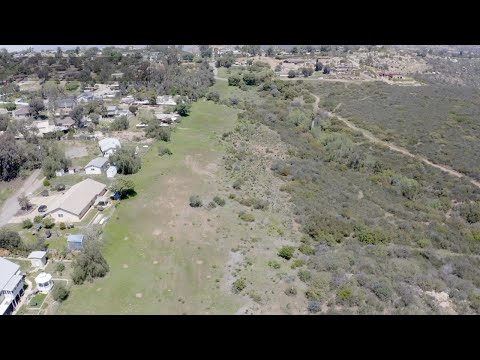
The presenters placed the work in historical context, noting that the Crest area has been affected by major wildfires, including the 1970 Laguna Fire and the 2003 Cedar Fire. One speaker described Crest as being among the most fire-prone communities in the United States and said the fuel-break project's intent "was to encircle the community, and and to help protect it from fire." (quote corrected for clarity: the transcript referred to a "fuel bridal" but presenters were describing a fuel break.)
Staff member 4 emphasized the role of evacuation procedures, saying deputies will conduct door-to-door notifications during an ordered evacuation and urging residents not to wait for deputies if they feel in danger: "If you feel you are in danger, please leave immediately." Presenters also listed preparedness steps including assembling an emergency kit with food, water, clothing, first-aid supplies, medication, important documents and some money and credit cards.
Speakers framed fuels management, structural hardening and community preparedness as the primary ways to reduce loss in future wildfires. "What we're not talking about is how much we do ahead of the fire. And, ultimately, that is going to be the key to reducing our loss," Staff member 2 said.
No formal votes or motions were recorded in the transcript segments provided. The remarks consisted of informational updates on fuel management activities and public-safety preparedness advice.