Houston lab identifies manufacturing defects in DNA cartridge tests; notifies prosecutors
Loading...
Summary
The Houston Forensic Science Center reported manufacturing defects in QIAGEN DNA investigator cartridges that can cause low or no DNA recovery, prompting case reviews, notifications to prosecutors and new quality-control steps while the lab evaluates non‑cartridge workflows.
The Houston Forensic Science Center (HFSC) told its board that laboratory staff discovered manufacturing defects in QIAGEN DNA investigator cartridges that can produce low or no DNA recovery and potentially false-negative results in some samples.
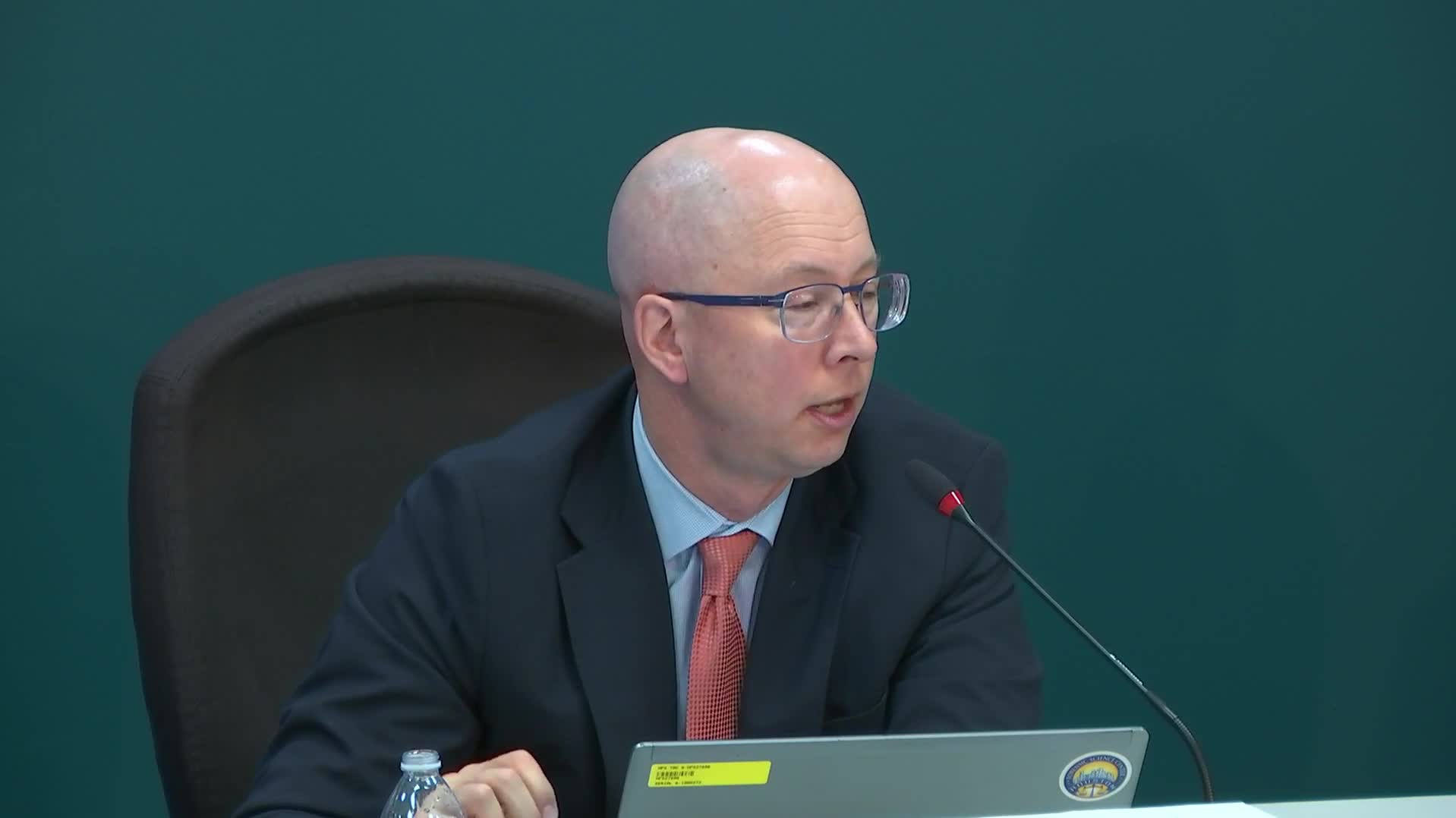
The finding was disclosed during HFSC’s board meeting by President and CEO Dr. Peter Stout. He said the primary problem is an incorrect pH in one reagent position in occasional cartridges, which can yield low DNA recovery. “That profile could be potentially exonerating,” Stout said, describing the risk if a true DNA profile is missed. He added later, “So your reward for finding this is the cost and agony of having to fix it. Yep. That's our reward for it.”
HFSC staff, working with commercial partner Signature Science, traced the issue to specific reagent lots and halted use of affected lots while they investigated. Signature Science ran hundreds of comparative tests and HFSC reviewed 15 years of internal quality-control data. The lab said most historical results prior to the flagged timeframe remain supported by internal checks. HFSC focused notifications on a manufacturing window it considers higher risk and has informed Harris County prosecutors; the lab said prosecutors have issued Brady notice letters for affected cases.
Why this matters: a cartridge-level failure that causes a false negative can omit a probative DNA profile, affecting investigations or prior pleas. HFSC described three observed manufacturing problems: incorrect reagent pH producing low/no recovery; buffer migration into wrong wells; and magnetic beads appearing in the wrong well. The pH issue is not visibly detectable on the cartridge; other defects sometimes are.
Details, testing and scope
HFSC reported that an initial set of 43 impacted samples and follow-up testing of quality-control “blind” samples helped identify the association with particular lots. The laboratory pulled 87 past blind samples it had created and found only three behaved unexpectedly in that set. HFSC’s internal data review and external testing with Signature Science informed the decision to restrict and retest cases selectively rather than assume broad invalidation. The lab identified a narrow manufacturing timeframe it prioritized for review (the board discussion referenced February–October 2024 as the period QIAGEN had flagged, with HFSC using January 2024 as its internal cutoff for notifications), though HFSC said it could not guarantee no earlier impact.
HFSC said the cartridges cost roughly $14 each and that many samples require multiple cartridges, creating direct cost exposure. The lab is evaluating non‑cartridge extraction systems that would allow HFSC to QC reagent reservoirs centrally rather than rely on single‑use cartridges, but that would require validation time and additional procurement and budget resources.
Vendor response and next steps
Stout told the board QIAGEN replaced lots it described as affected and issued a North America notification, but HFSC said QIAGEN did not accept broad responsibility and that some lots QIAGEN listed did not include the lot implicated locally. HFSC described follow-up meetings that included national organizations and commercial partners to investigate manufacturing root causes.
HFSC has instituted additional quality-control measures with Signature Science and restarted testing under the heightened QC procedures. The lab also offered case-by-case review with prosecutors and defense counsel to determine whether retesting is warranted, and asked anyone who believes they have an impacted case to contact HFSC.
HFSC emphasized that the defects observed produce false negatives (missed profiles) and not false inclusions (no evidence the cartridge inserts incorrect profiles). The lab said its 15-year record on its existing instrument platform (EZ1/EZ2) shows consistent performance and that the problem appears tied to particular cartridge lots rather than to the platform itself.
Board response and broader context
Board members and staff discussed the scale of the audit effort and the national implications; Stout noted similar issues reported at other laboratories. HFSC said it has informed the Texas Forensic Science Commission and the Harris County District Attorney’s Office and will continue updating stakeholders as retesting and audits proceed.
Forensic laboratories rely on a small number of reagent manufacturers; HFSC warned that defects at a single vendor can ripple nationwide and increase the cost of quality assurance for public labs.
Ending
HFSC said its biology and quality teams spearheaded the detection and that mitigating work is ongoing. The lab will assess budget and procurement implications if it transitions away from cartridge‑based workflows, and it will continue case-by-case notifications and retesting where warranted.